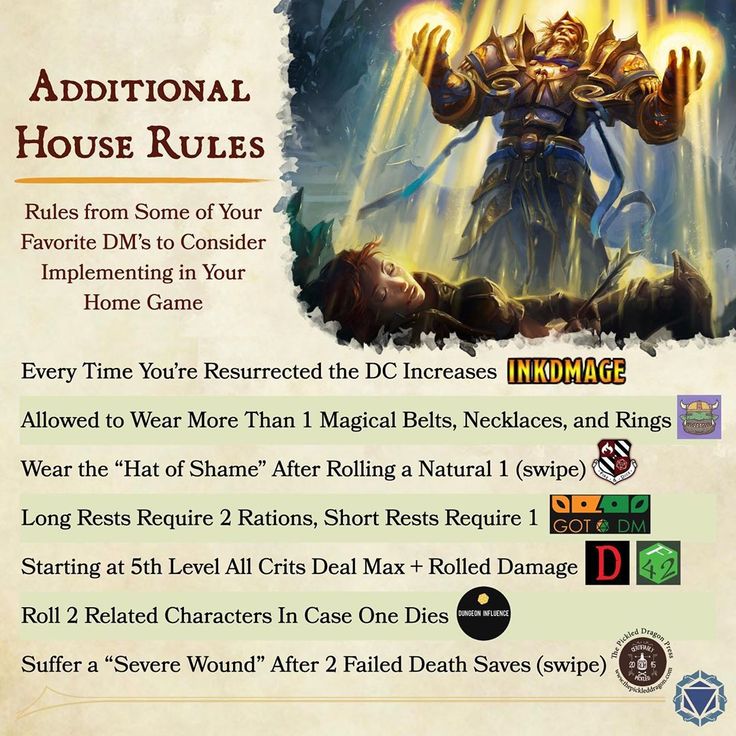
One of the most important ideas in DnD is that the rules are ultimately suggestions, not unbreakable laws. Every table plays differently, and it’s completely valid to change, ignore, or add rules if it makes the game more fun. The Dungeon Master has final say, but ideally, rule changes are discussed and agreed upon by the group.
This flexibility is one of DnD’s greatest strengths. Some tables prefer strict consistency, others prefer cinematic freedom, and many fall somewhere in between. As long as everyone is enjoying themselves and understands how the table works, you’re playing DnD “correctly.”
Playing with the rules as written works extremely well, especially for beginners. DnD is a well-tested system, and following the official rules provides a shared foundation for everyone at the table. It also helps when switching groups or DMs, since everyone is working from the same expectations.
For new players, hard rules reduce uncertainty. Instead of wondering how something might work, you can look it up and learn how it does work. Once that foundation is built, bending or breaking rules becomes much easier and more intentional.
Online resources make ruling faster and more accessible. Searching for a spell, condition, or rule online is often much quicker than flipping through a book, especially mid-session. This helps keep the game flowing and reduces downtime caused by rule confusion.
Online tools are particularly helpful for niche or rarely used mechanics. Even experienced players use them regularly.