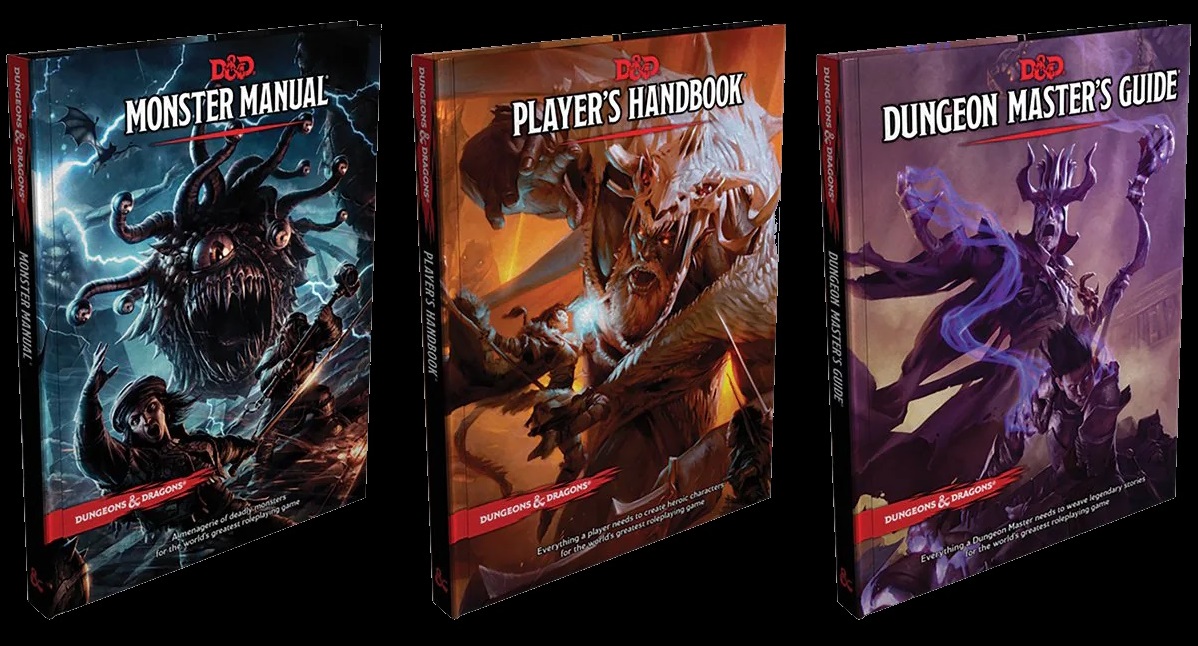
Resources are useful for everyone at the table, no matter their role or experience level. New players often rely on resources to learn the basics: how turns work, what their abilities do, or how spellcasting functions. Experienced players use resources to double-check niche rules, explore new character options, or optimize ideas they already understand. Dungeon Masters use resources constantly—whether that’s checking monster abilities, finding inspiration for encounters, or keeping track of rules during play.
Even casual players benefit from resources without fully realizing it. Looking up a spell mid-session, watching a DnD show for fun, or using an online character sheet are all forms of using resources. At higher levels, veteran players and DMs still use them, just differently: they look for edge cases, homebrew inspiration, or alternative rulings. No one “graduates” from needing resources in DnD—they simply change how they use them.
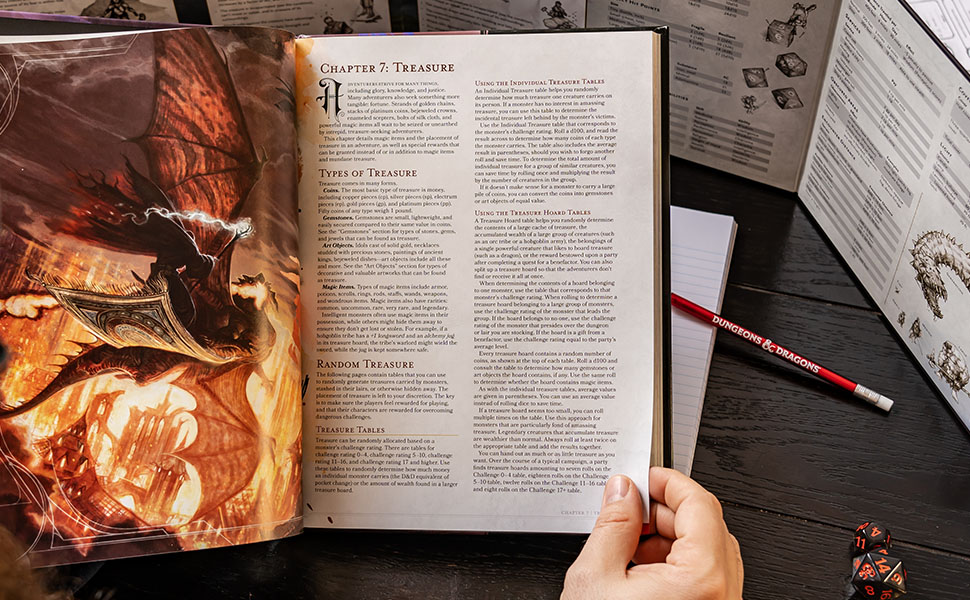
One of the most common uses of resources is ruling—figuring out how something is supposed to work. DnD has a lot of moving parts, and no one memorizes everything. Resources help answer questions like how grappling works, whether a spell requires concentration, or how cover affects an attack roll. This is especially important for new players, who are still building an understanding of the system.
While DnD allows for flexibility and improvisation, having access to rules can actually make play smoother. Sometimes it’s easier—and fairer—to check an existing rule than to invent one on the spot. Over time, players naturally learn which rules matter most at their table and when it’s okay to bend them.
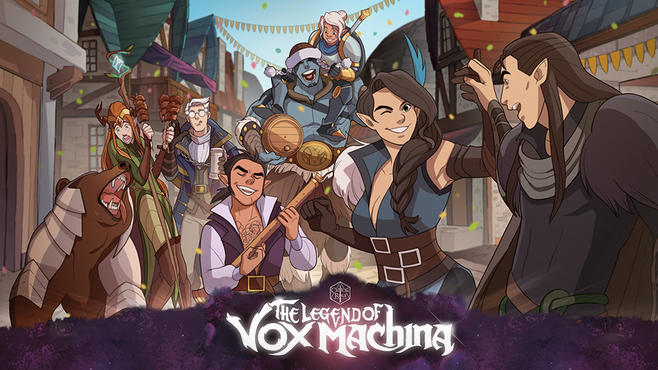
Resources aren’t just tools—they’re also a huge source of entertainment. DnD-inspired shows, podcasts, animations, books, and comics capture the chaotic, emotional, and hilarious sides of the game. These resources are fun on their own, but they also help players and DMs learn how the game feels when played, not just how it works mechanically.
Entertainment resources are especially good for inspiration. Watching or listening to other groups can spark ideas for characters, encounters, voices, plot twists, or entire campaigns. They also help normalize the chaos of DnD—things going off the rails, jokes interrupting serious moments, and unexpected player choices.