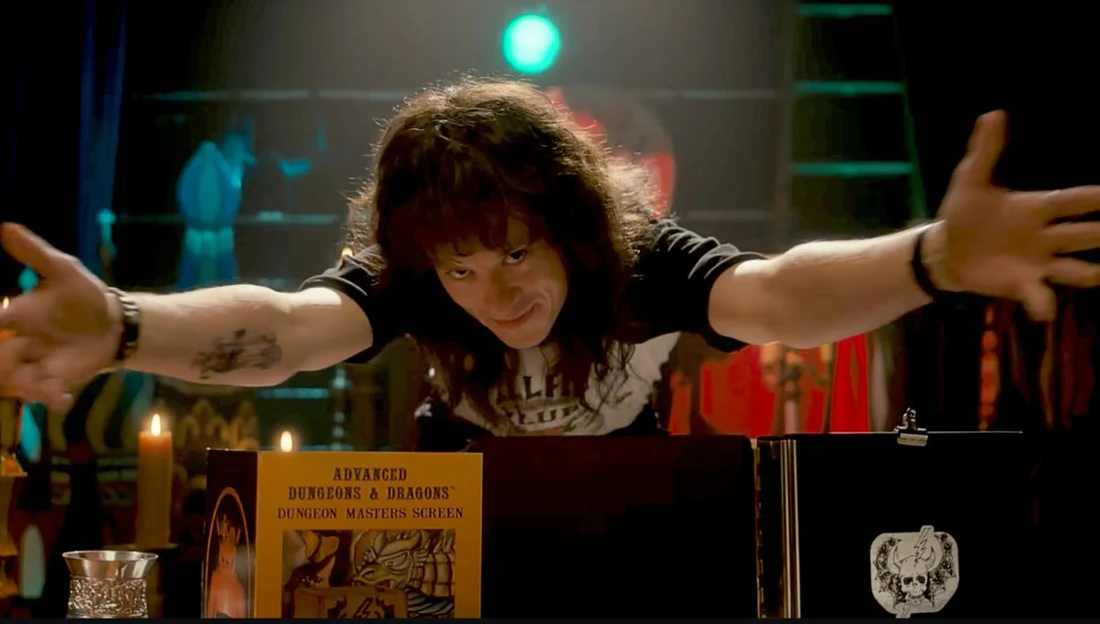
The DM creates the setting, events, and challenges. This might be a quiet village with hidden tensions, a dungeon full of traps, a royal court filled with intrigue, or a battlefield on the brink of war.
Playing through these settings means reacting to what’s presented. If the DM describes a burning building, players decide whether to save people, loot valuables, or run. The DM doesn’t tell you what to do — only what is happening.
Adventuring is about responding to the world, not waiting for instructions.
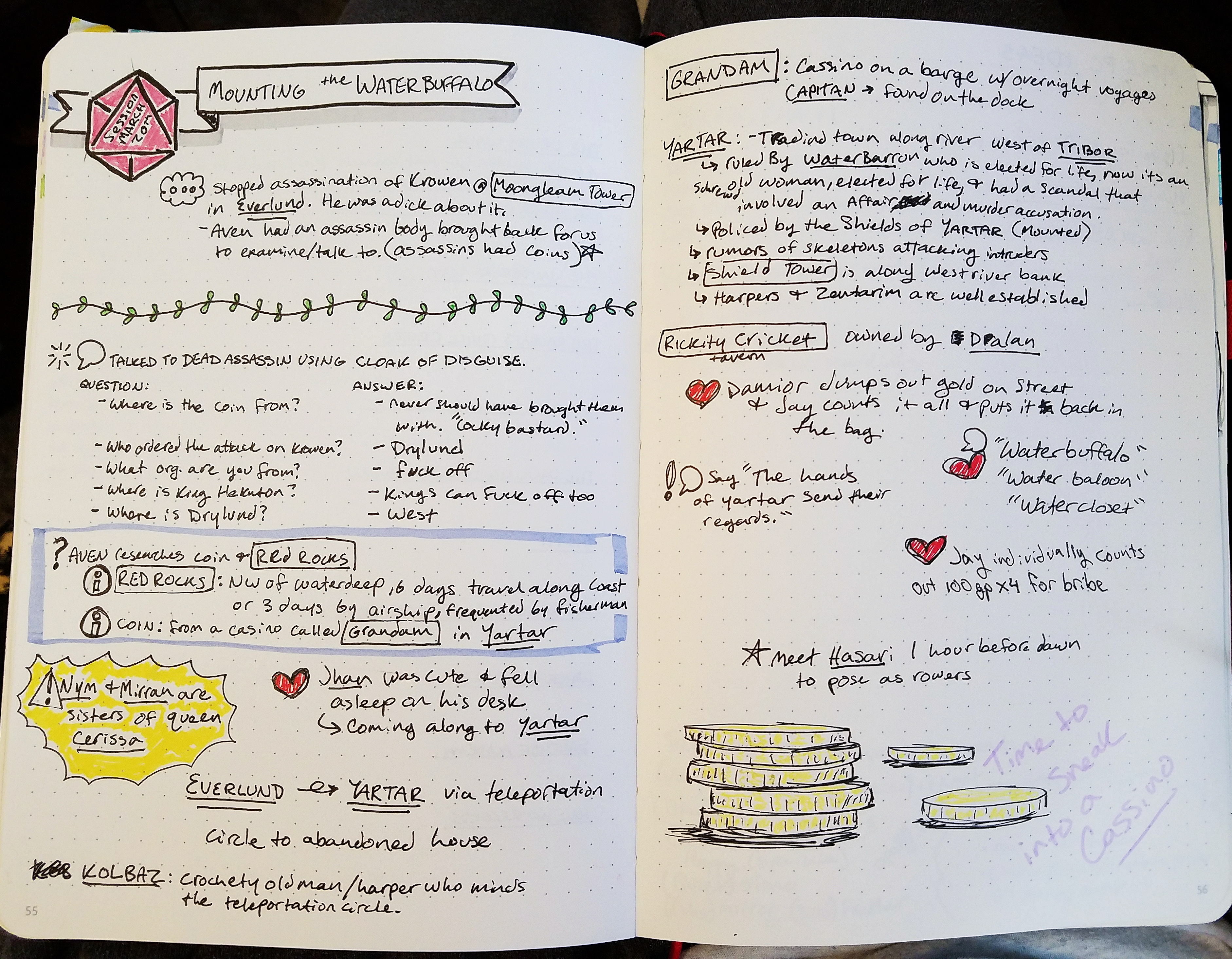
Engagement is shared responsibility. The DM must create opportunities to engage, but players must meet them halfway.
Engaged players listen, remember details, and care about what’s happening. They may take notes, recall past NPCs, or notice patterns in the story. This makes the game richer for everyone.
Engagement also feeds back into the DM. When you show interest, the DM learns what you enjoy and can shape future content around that — making the game better over time.
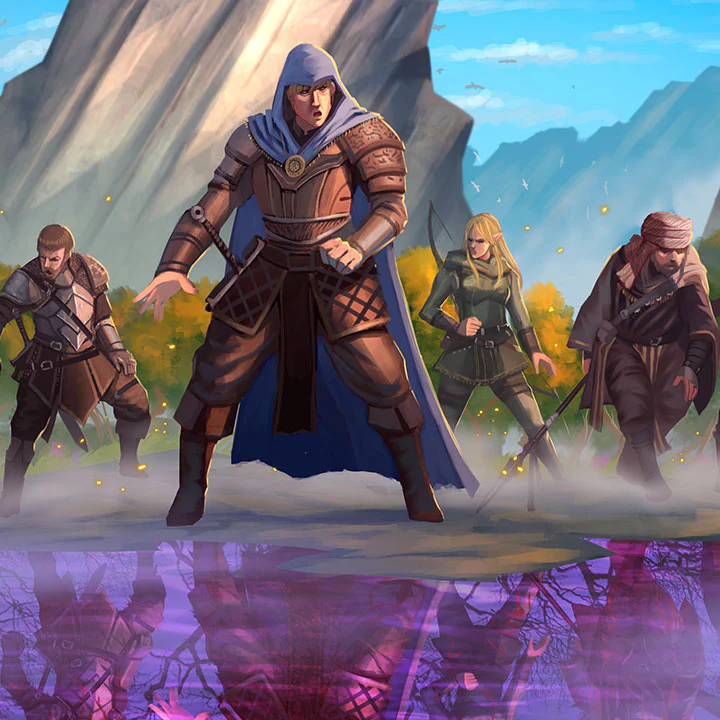
Encounters are moments where player choice matters. Combat is an encounter, but so is negotiating with a merchant, sneaking past guards, or investigating a crime scene.
Encounters are where characters shine. They test skills, creativity, and teamwork. Some encounters are dangerous, others social, and some purely exploratory — but all of them push the story forward.