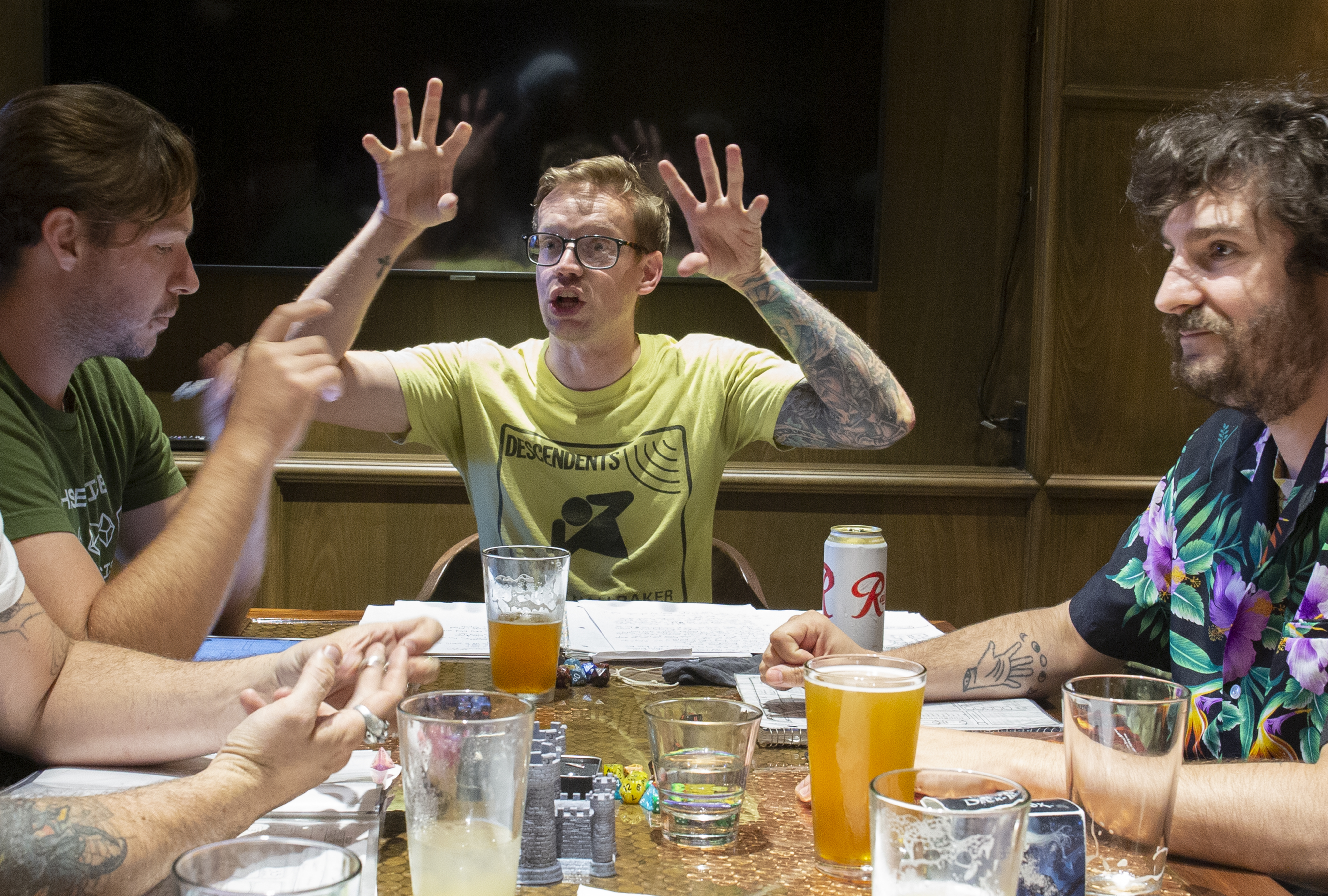
DMing
←back home
What is a DM
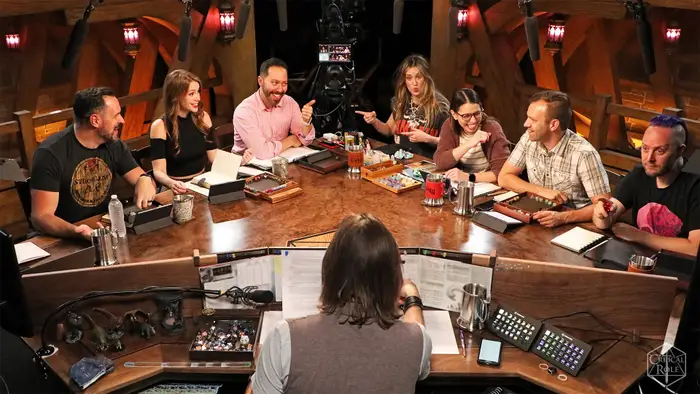
DM stands for Dungeon Master. The DM is the person who runs the game, describes the world, and controls everything in it that isn’t a player character. You may also hear the term GM (Game Master), which is a more general name used in other tabletop role-playing games. In D&D, DM and GM usually mean the same thing, but “DM” is the official term used by the game.
The DM acts as the narrator, referee, and world-builder. They describe what the players see, decide how the world reacts to their actions, and interpret the rules when needed. While the DM prepares the game, the story itself is created together with the players through their choices.
What's a DM's job
At its core, a DM’s job is to create a space where players can have fun. This includes building the setting, shaping the story, designing encounters, creating quests, NPCs, and enemies, and responding to player choices. The DM provides the structure, but the players decide how they move through it.
A good DM makes players feel like they can forge their own path through the world. The players should feel excited to play, immersed in the setting, and confident that their choices matter. While rules and preparation are important, they always come second to enjoyment. If everyone at the table is having fun, the DM is doing their job well.
What a DM shouldn't do
A DM should never approach the game with the mindset of beating the players. D&D is not a competition between the DM and the party—it’s a shared experience. The DM controls the world, but that power exists to challenge, support, and entertain the players, not to punish them. If the goal becomes “winning,” the game quickly stops being fun.
It’s also important not to leave anyone out. Every player deserves moments to shine, and constantly favoring certain characters can make others feel ignored. At the same time, the DM should not forget themselves. DMs are players too, and their enjoyment matters just as much. Sacrificing your own mental health or happiness for the table is never the answer.
Communication is essential. If something feels off—whether a player is disrupting the game, someone seems disengaged, or you’re feeling overwhelmed—talk about it. Open, respectful conversations solve far more problems than silence. A healthy table is built on honesty, boundaries, and mutual respect.
DM's creation
The DM creates nearly everything the players interact with: the world, its history, cultures, towns, dungeons, NPCs, enemies, quests, and overarching story. Even when using official material, the DM decides how it all fits together and how it responds to the players’ actions.
This creation can range from following published adventures to building entirely custom worlds and systems. Many DMs mix official content with fan-made ideas or full homebrew, shaping the game to fit their group. No matter the approach, the DM’s creations exist to support player freedom, immersion, and fun.