Where ideas become
real objects.
Campus des Nations · International School of Geneva
Presentation & Mission
Fab-Nat is the design and fabrication laboratory of Campus des Nations. Launched in 2023, it embodies a simple conviction: creativity and fabrication are powerful tools for learning, motivation and social connection.
Mission
Unlock the creative potential of every member of the community — students, teachers, staff — by turning their ideas into concrete creations.
Accessibility
Open to all, with no technical prerequisites. Complexity should never be a barrier to creativity.
Interdisciplinarity
Every project crosses several subjects and skills. The Fab Lab builds bridges between people who would not naturally meet.
Learning by Doing
We learn better by building than by reading. The Fab Lab makes learning tangible, immediate and memorable.
Sharing
Knowledge, mistakes and successes belong to everyone. A meeting space that creates connection.
Innovation
Encouraging experimentation, accepting failure as a step. Innovation is born of curiosity and daring.
How the Service Works
An on-demand service, flexible and accessible, both online and in person.
Intake
Online form, email, or in person during weekly drop-in hours.
Feasibility
Pedagogical and technical assessment of the project.
Support
Personalised guidance from design to fabrication.
Delivery
Handover of the finished project and feedback.
Students
Personal projects, creations, IB Personal Projects — supervised by a referring teacher.
Teachers
Teaching models, demonstration tools, innovative course materials.
Administrative Staff
Communication, signage, custom objects, institutional needs.
Departments
Collective, interdisciplinary or institutional projects at campus scale.
Make a Request
Got an idea, a project, a model or an object in mind? This is where it starts. Send a short request by email and we'll get back to you to assess feasibility together — from a single prototype to a whole series.
Describe
A short description of your project — what it is and what it's for.
Quantity
How many items you would like produced.
Billing
The account to be charged and the person responsible for it.
Send
One click — your email opens, ready to complete and send.
What to include in your email
To help us respond quickly, please include the following four points. The button below opens a pre-filled email with these fields ready for you to complete:
- 🎯 Project description — a few lines about your idea
- 🔢 Number of items — how many you need
- 💳 Billing account — the account to be charged
- 👤 Account holder — the person responsible for that account
Opens a ready-to-send email in Gmail. Using another mail app? click here, or write directly to laurent.moreau@ecolint.ch.
Equipment, Software & Materials
Shared professional tools at the service of creativity.
Laser Cutter
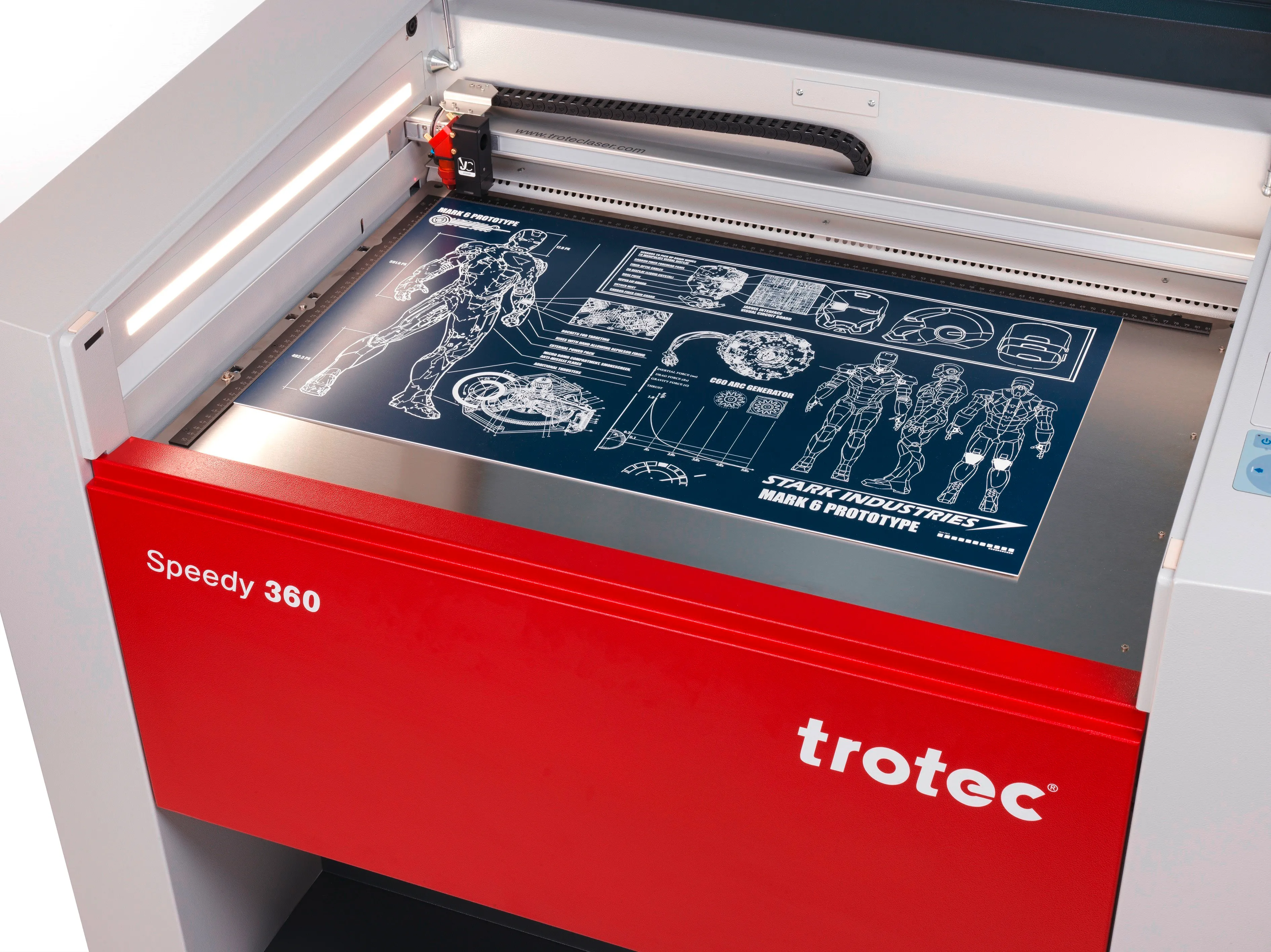
The laser cutter is the key element of Fab-Nat: it is what allows ideas to become reality through ultra-fast prototyping. It cuts and engraves with precision across a wide range of materials — wood, acrylic, cardboard, leather and fabric. Used for prototypes, signage, scale models and artistic creations.
3D Printing (FDM)
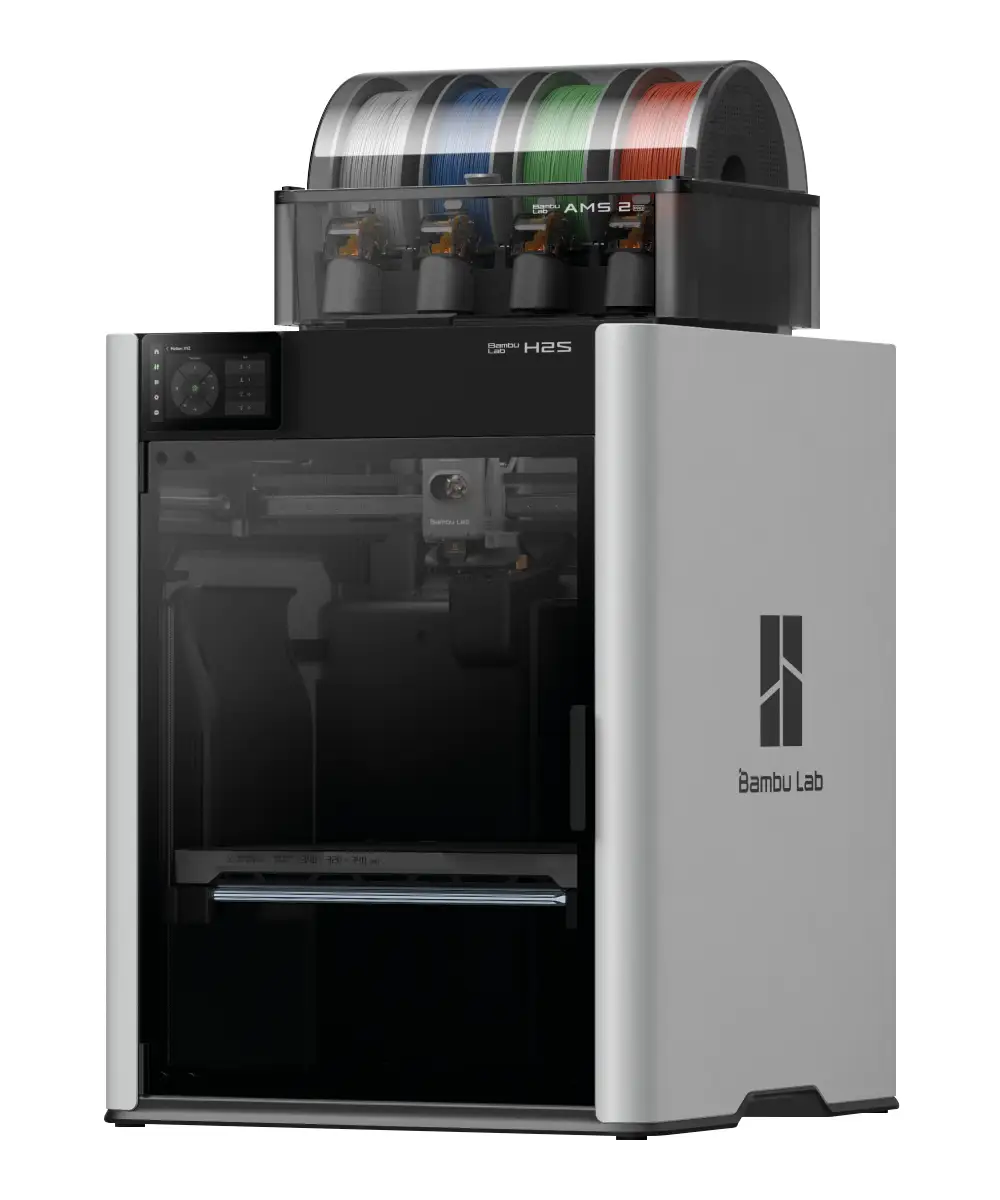
Alongside the laser cutter, the 3D printer is the other key element of Fab-Nat: it enables instant prototyping with no shape constraints. FDM printers build three-dimensional objects from digital models. Used for scientific models, mechanical parts, custom objects and functional prototypes.
Large Format Printing (A1)
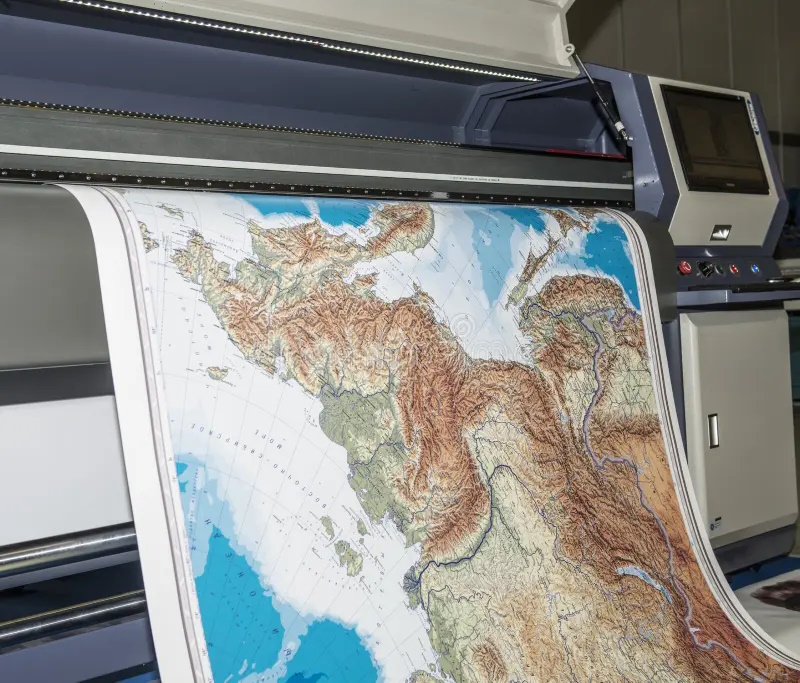
The large format printer produces posters and communication documents up to A1 size. Used by departments, students and staff to showcase their projects. It also opens the door to large format plans — technical drawings, maps, timelines — as well as art printing, allowing visual creations to be reproduced with gallery-quality results.
Software
Fusion 360
3D modelling and CAD
Inkscape / Illustrator
Vector drawing — laser cutting
Cura / BambuStudio
Slicing for 3D printing
Adobe InDesign
Layout and desktop publishing
TechSoft 2D Design
2D technical design
Arduino IDE / Python
Microcontroller programming
Overall Activity Report
Three years of concrete data. Behind every figure: a student who learned, a teacher whose lesson was enriched.
Breakdown by beneficiary
Nature of activities
Project Galleries
A selection of concrete creations — from idea to functional object.
Digital Projects
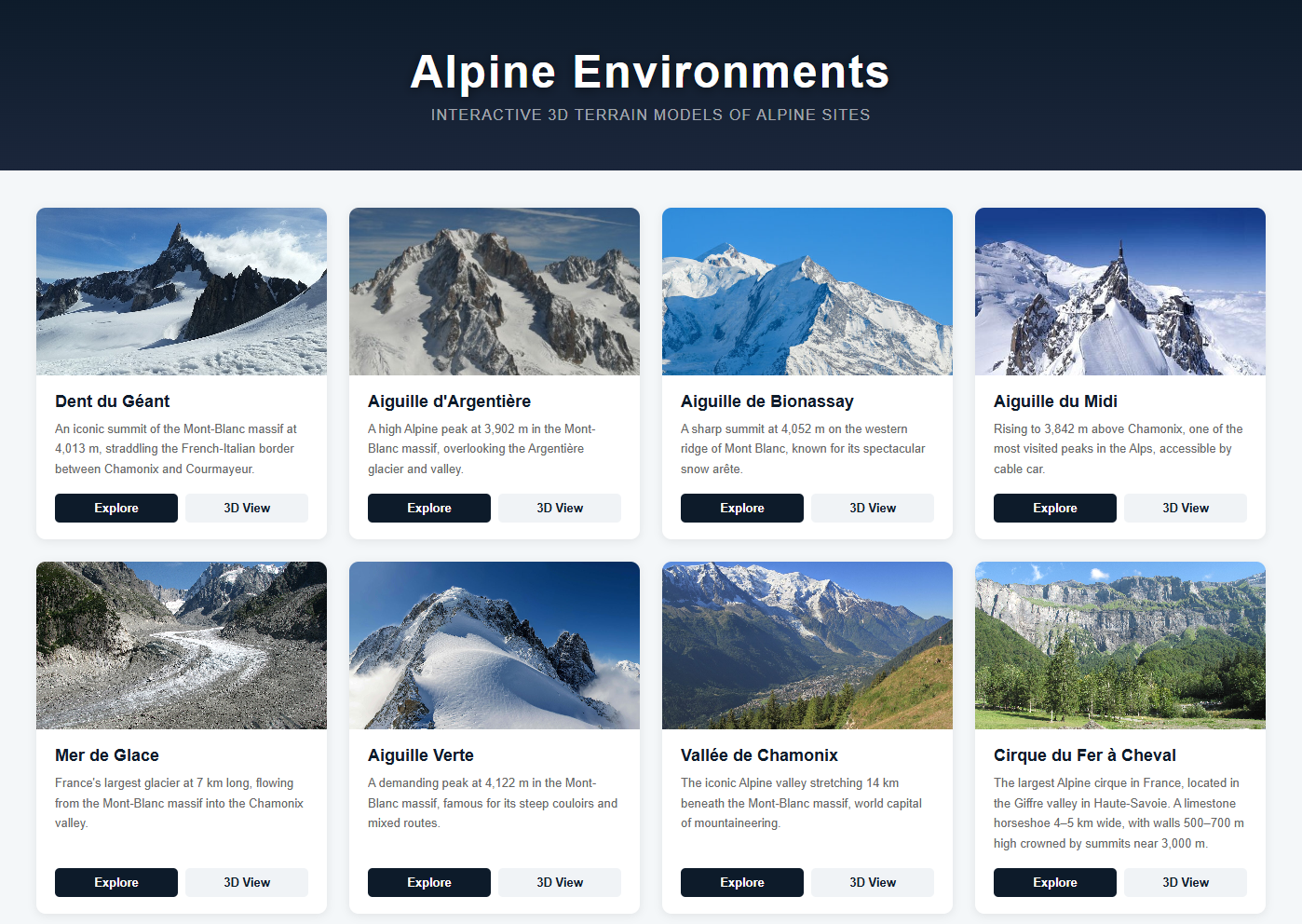
Alpine Environments
A flagship Fab-Nat project: a website dedicated to alpine environments, combining natural sciences, photography, mapping and digital design. A concrete interdisciplinary project merging technology and environmental awareness. Site: https://nationsdesign.online/alpine-environements/nationsdesign.online
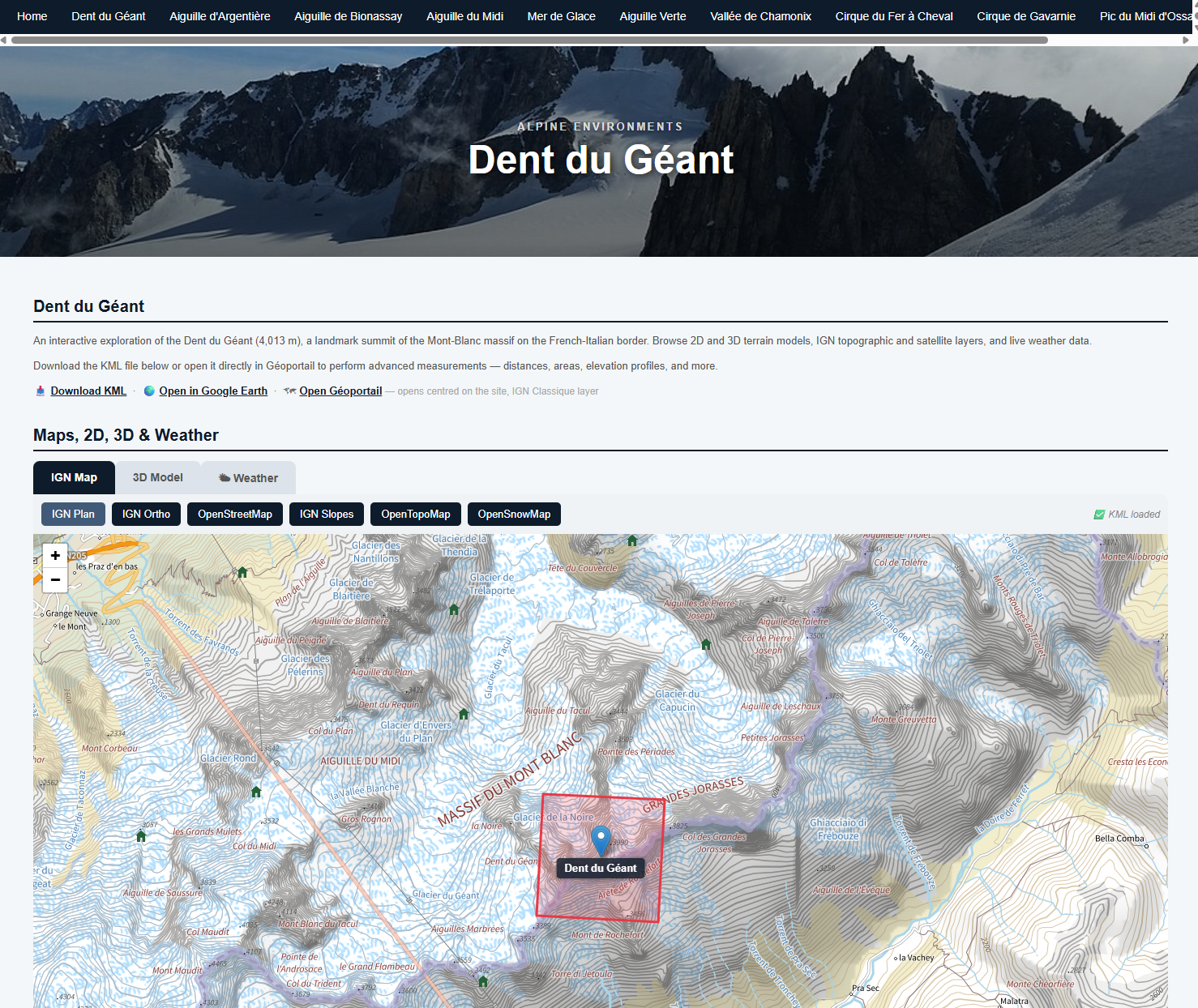
Alpine — 3D Printed Maps
3D models of alpine landforms generated from IGN rasters using QuantumGIS. Cirques, ridges, glacial valleys — physical maps 3D printed to illustrate alpine geomorphology in science class.
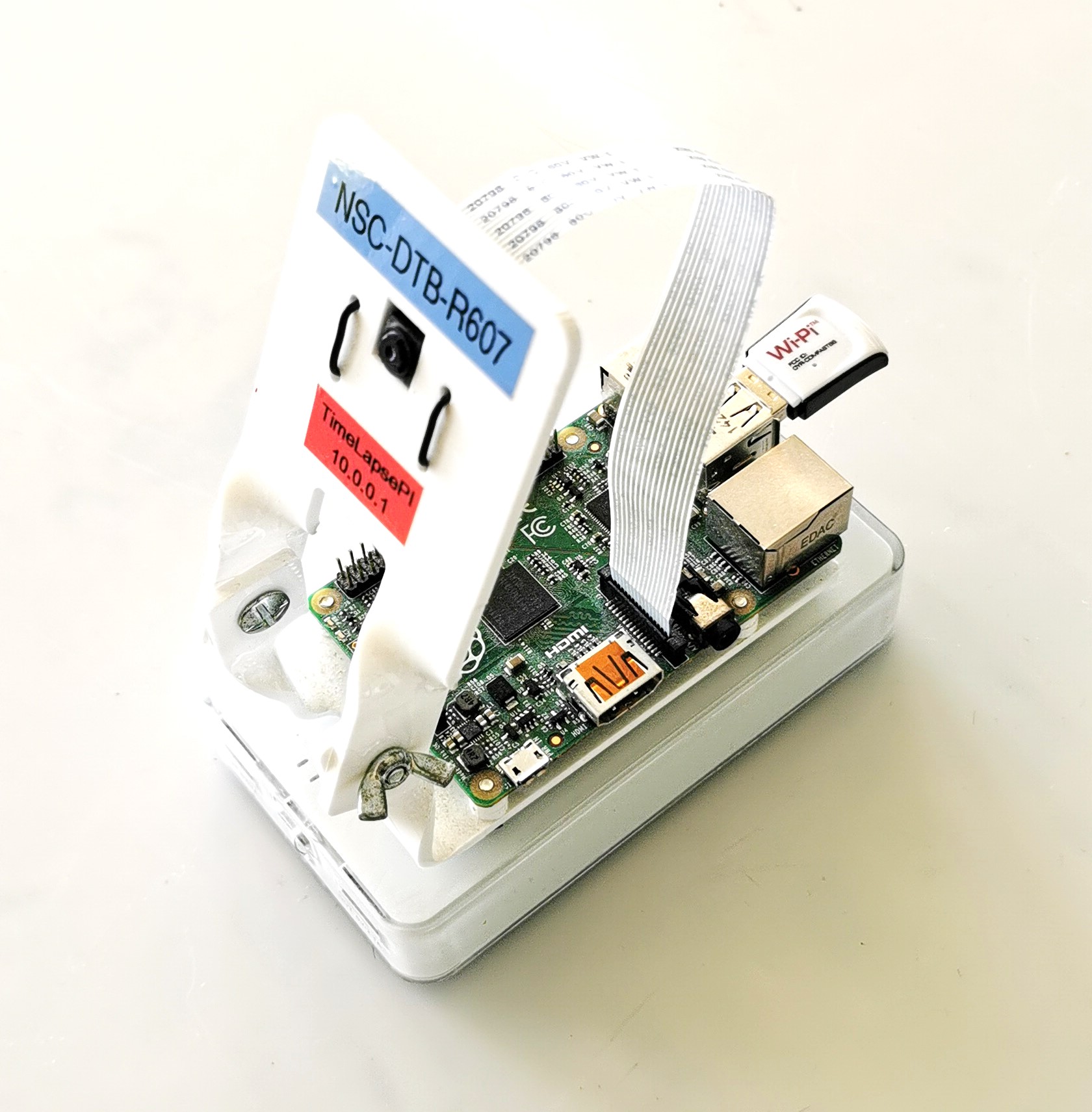
Timelapse Device
An autonomous timelapse machine built around a Raspberry Pi. It produced the first timelapses documenting the educational life of Campus des Nations. The enclosure runs a dedicated application that makes it simple to configure a timelapse: interval between shots, start time and end time. Battery-powered and fully self-contained, this system has been deployed on many occasions during school events to capture and preserve a living visual record.
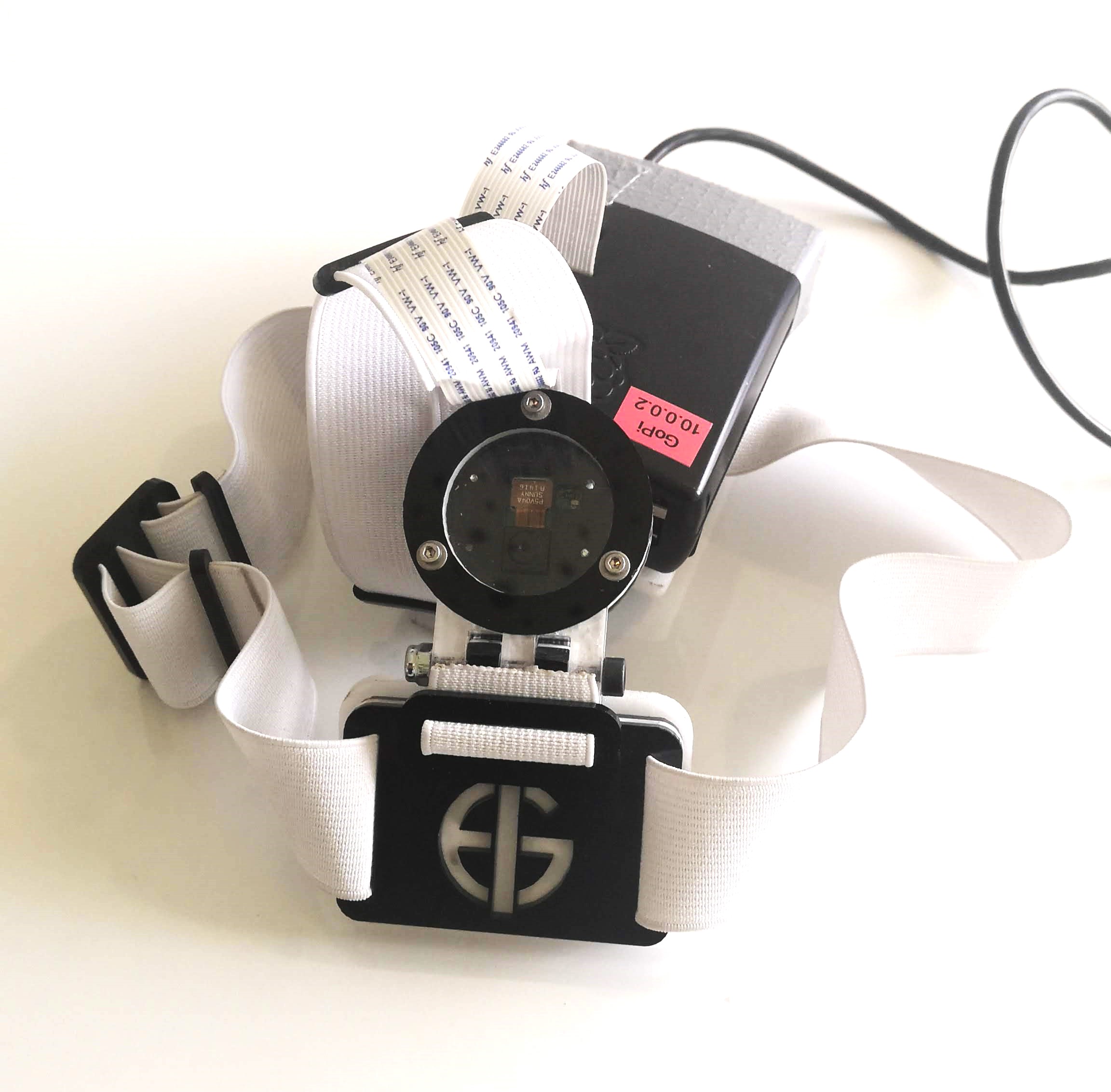
WiFi Camera — GoPro Like Raspberry Pi
An embedded, connected camera built from a Raspberry Pi camera module and embedded software that films in real time and streams the live video feed to a website. The design is entirely Campus des Nations: the camera is worn like a head torch, the lens fixed at the front and the Raspberry Pi housed where the battery would normally sit. An ingenious, lightweight and functional object, perfectly illustrating Fab-Nat's ability to design original solutions by repurposing everyday objects.
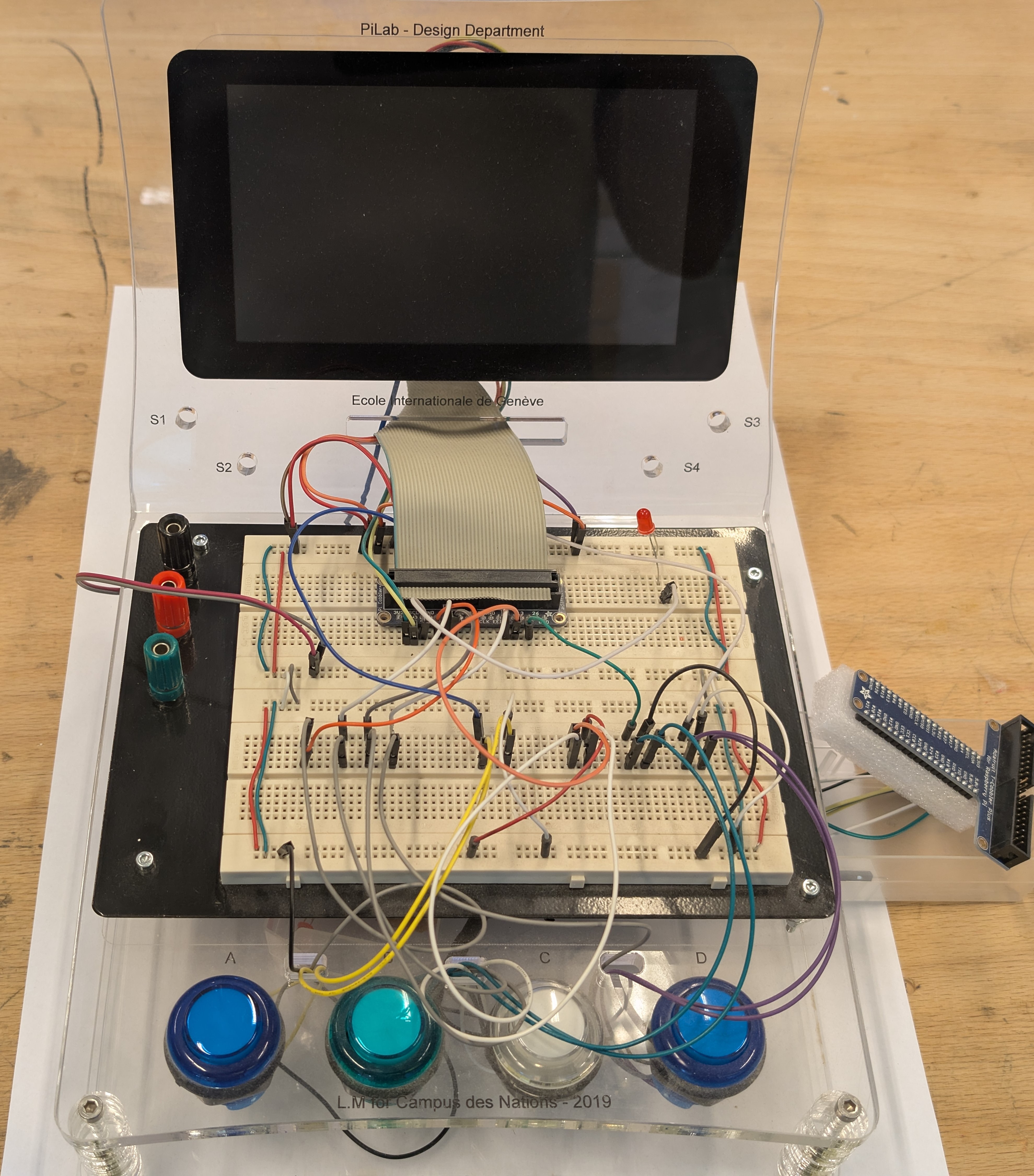
Raspberry Pi Lab — Programming Console
An embedded programming console built around a Raspberry Pi with a 7-inch screen integrated into a bent acrylic chassis made at Fab-Nat. The console panel is fitted with push buttons that allow students to program games directly and test them in real time. A functional and aesthetic object that makes programming tangible and playful.
Electronics & Technical Projects
.jpg)
AC Generator
A model illustrating the principle of electromagnetic induction. All components — stator, rotor, coils, magnets — are clearly visible and identifiable, making it an ideal teaching aid for physics lessons. The model is fully functional: its wound rotor and two brushes allow the alternating current waveform to be visualised in real time on an oscilloscope.
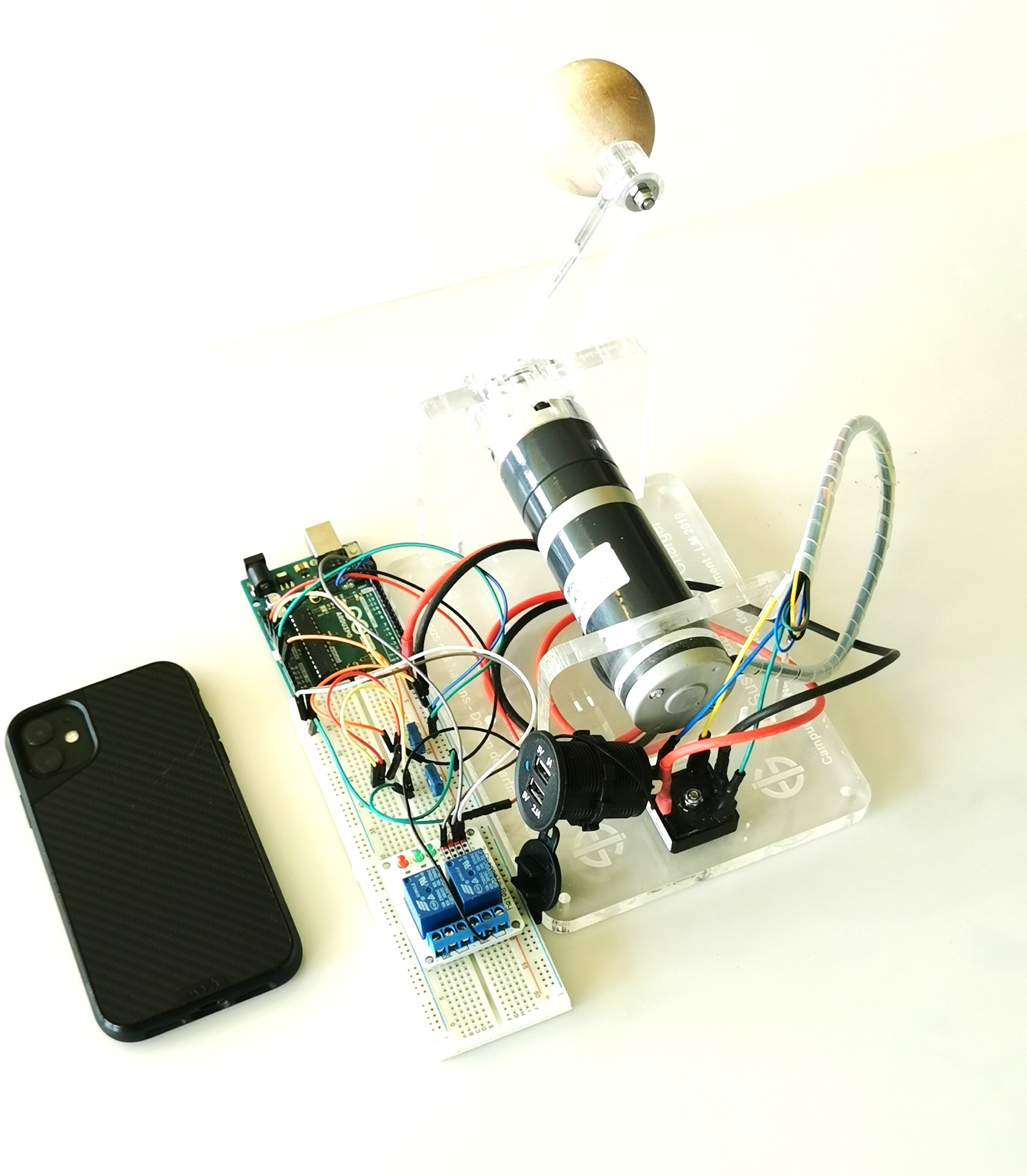
Hand-Crank Smartphone Charger
A mini USB charger build, focused on mastering the USB protocol and 5V DC power supply. The whole system is controlled by an Arduino board combined with a power relay, with advanced programming that requires a minimum of thirty seconds of physical effort on the crank before allowing charging to begin — preventing current spikes and ensuring a smooth, safe voltage ramp-up. A project spanning power electronics, coding and electrical physics.
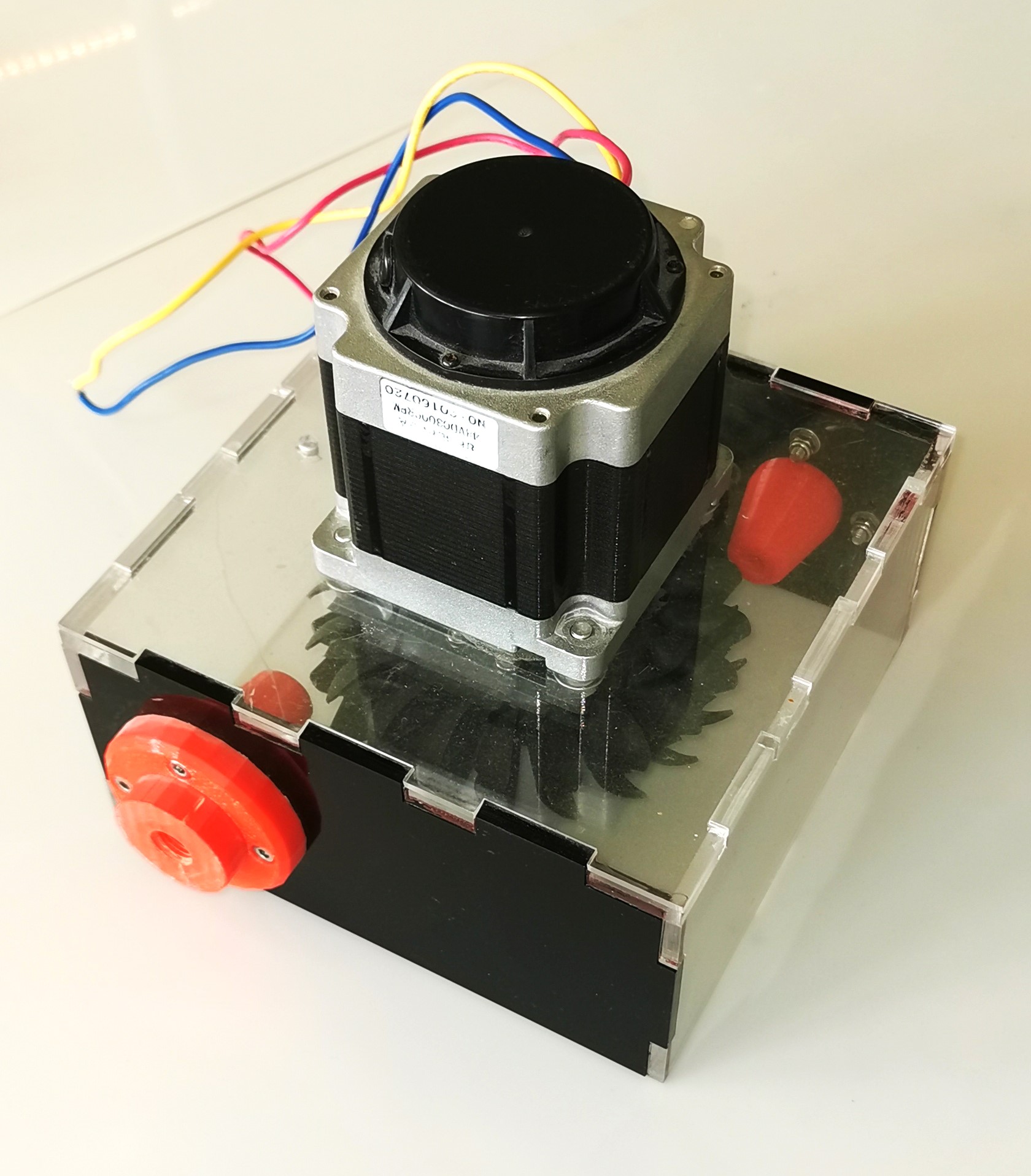
Pico Hydroelectric Turbine
A Pelton-type hydroelectric turbine prototype — a flagship and captivating project drawing on Laurent Moreau's expertise in pico-hydroelectricity. The turbine drives a three-phase BLDC motor, enabling the study of AC current generation, rectification and energy conversion. The Pelton wheel is fully modelled and 3D printed — a fine example of the synergy between digital fabrication and applied physics. A project that genuinely fascinates students and gives real meaning to lessons on electricity and renewable energy.
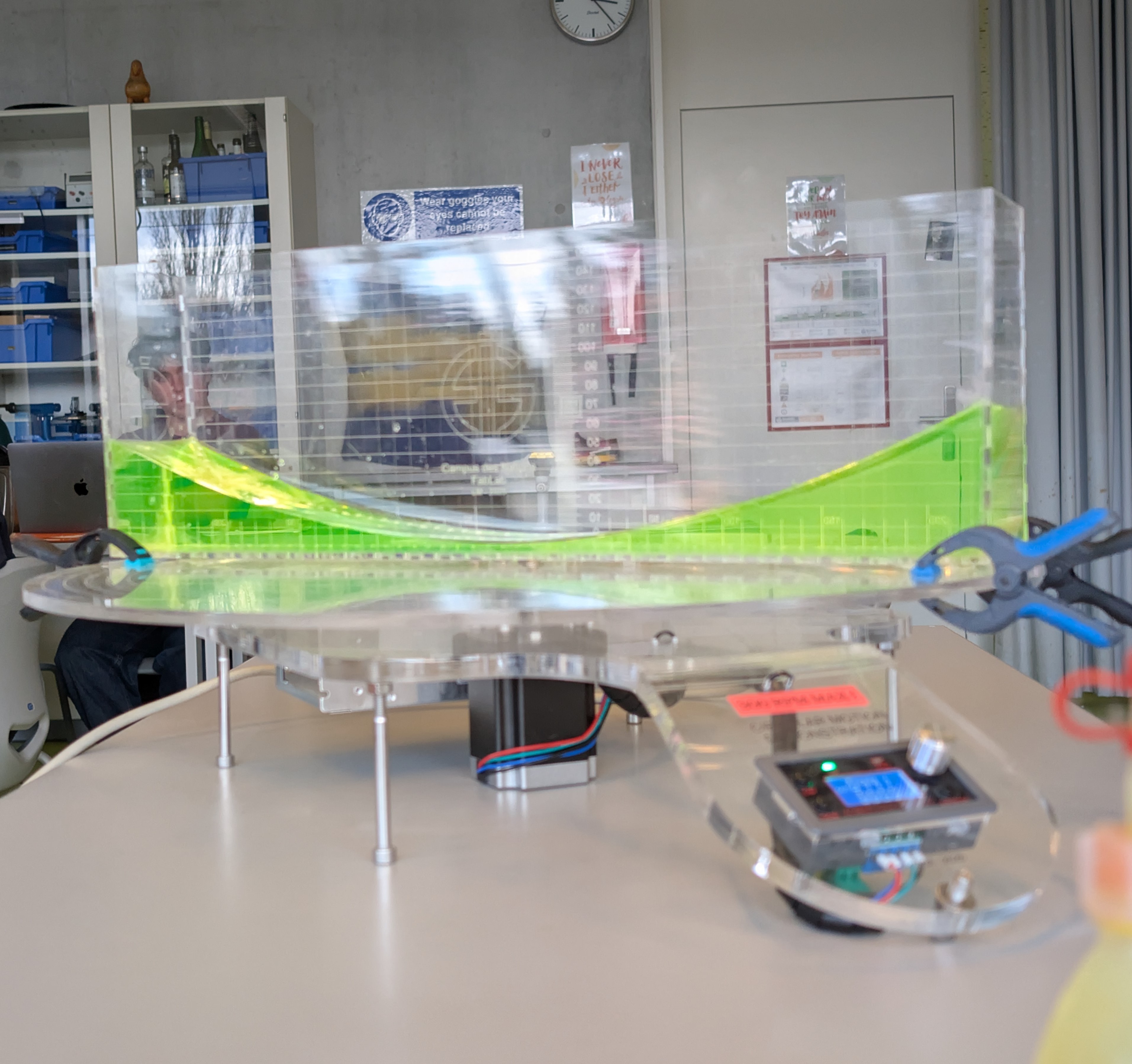
Rotating Plate — Science & Visualisation
A project carried out at the request of the science department, designed for a teacher wishing to measure and visualise Coriolis forces. The plate is set in rotation by a stepper motor whose speed can be incrementally adjusted. Sensors placed on the plate measure the forces at play. The project evolved with the addition of a tray for liquid — the rotation produces a perfect hyperbola, visible to the naked eye, generated by the liquid pushed towards the edges of the container. A striking pedagogical tool, entirely designed and built at Fab-Nat.
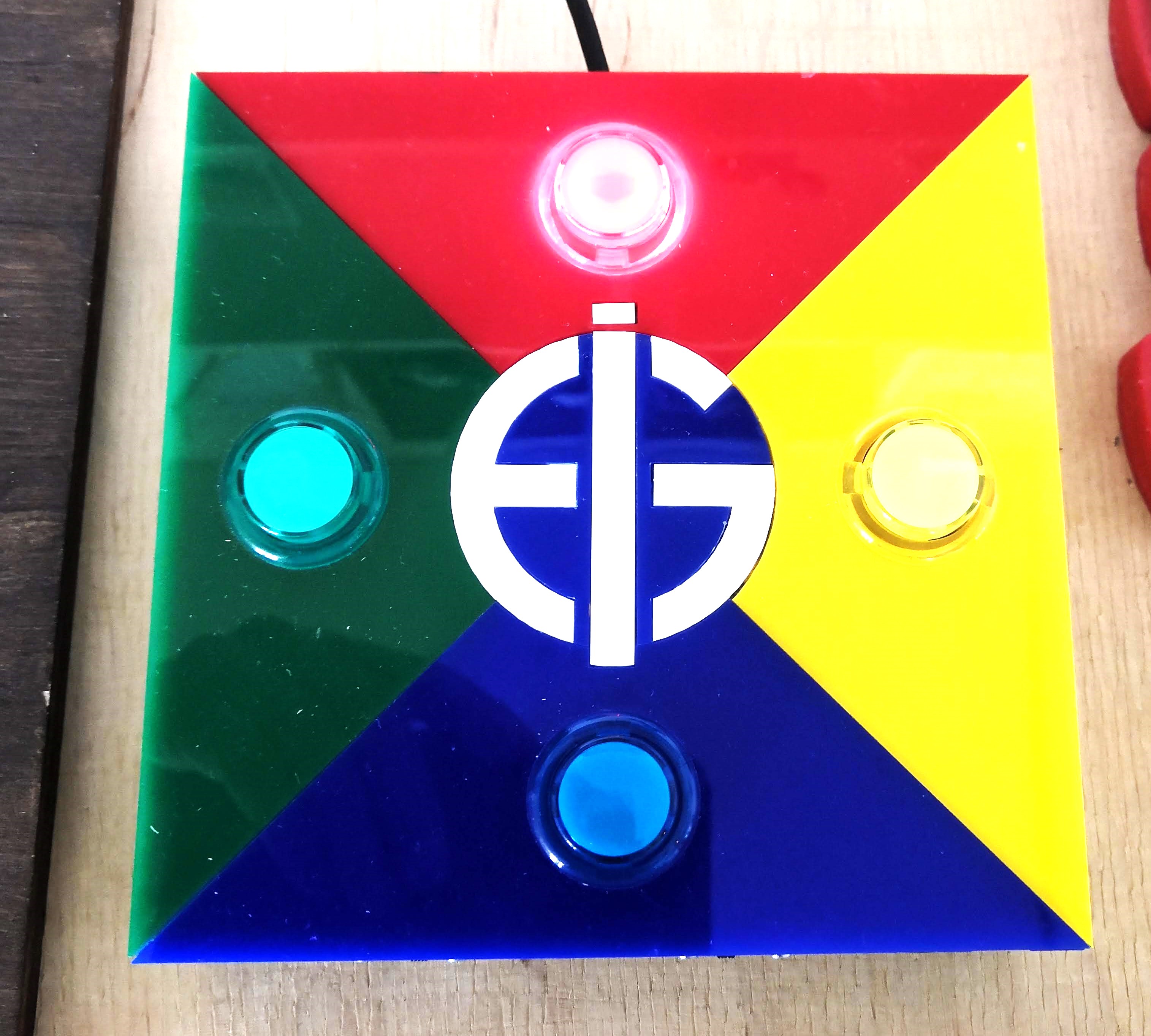
Simon Says Game
A Simon Says memory game built with an Arduino. The four coloured buttons and laser-cut acrylic enclosure are entirely designed and made in the Fab-Nat. A great classic of playful electronics that exercises memory to the full — and demands a thorough understanding of every programming step to achieve the result: light and sound sequences that the user must reproduce with increasing precision. A complete project, from circuit design to game logic.
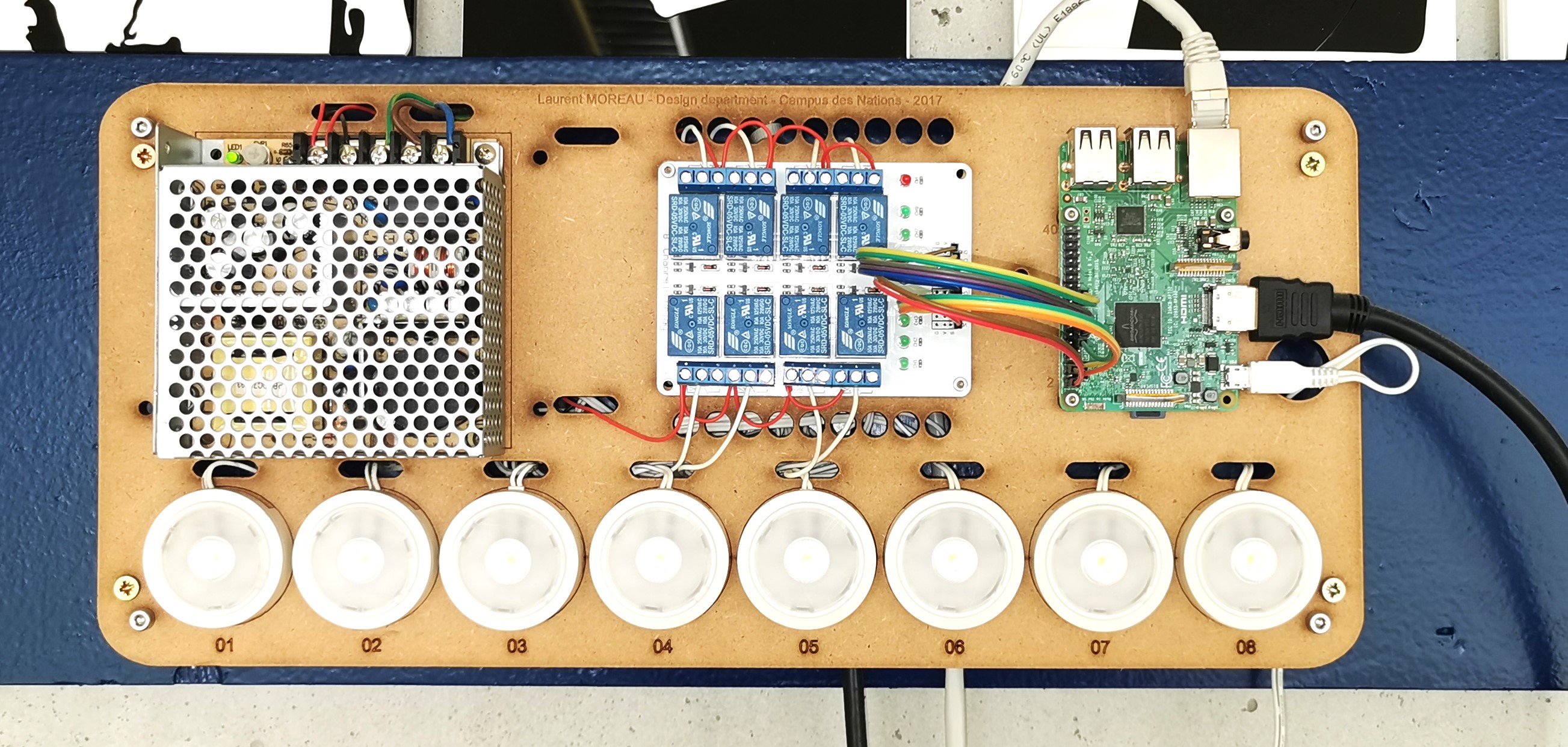
Raspberry Pi Chenillard — Interactive Board
A LED chaser model driven by a Raspberry Pi, installed above the teacher's interactive whiteboard. Each student programs their own light sequence from their computer — the sequence is then played in real time on the model above the board. The whole class can simultaneously visualise the result of their programming: the LEDs light up in sequence on the model while the code is displayed on the interactive board. An immediate, collective pedagogical tool that makes programming visible and shared.
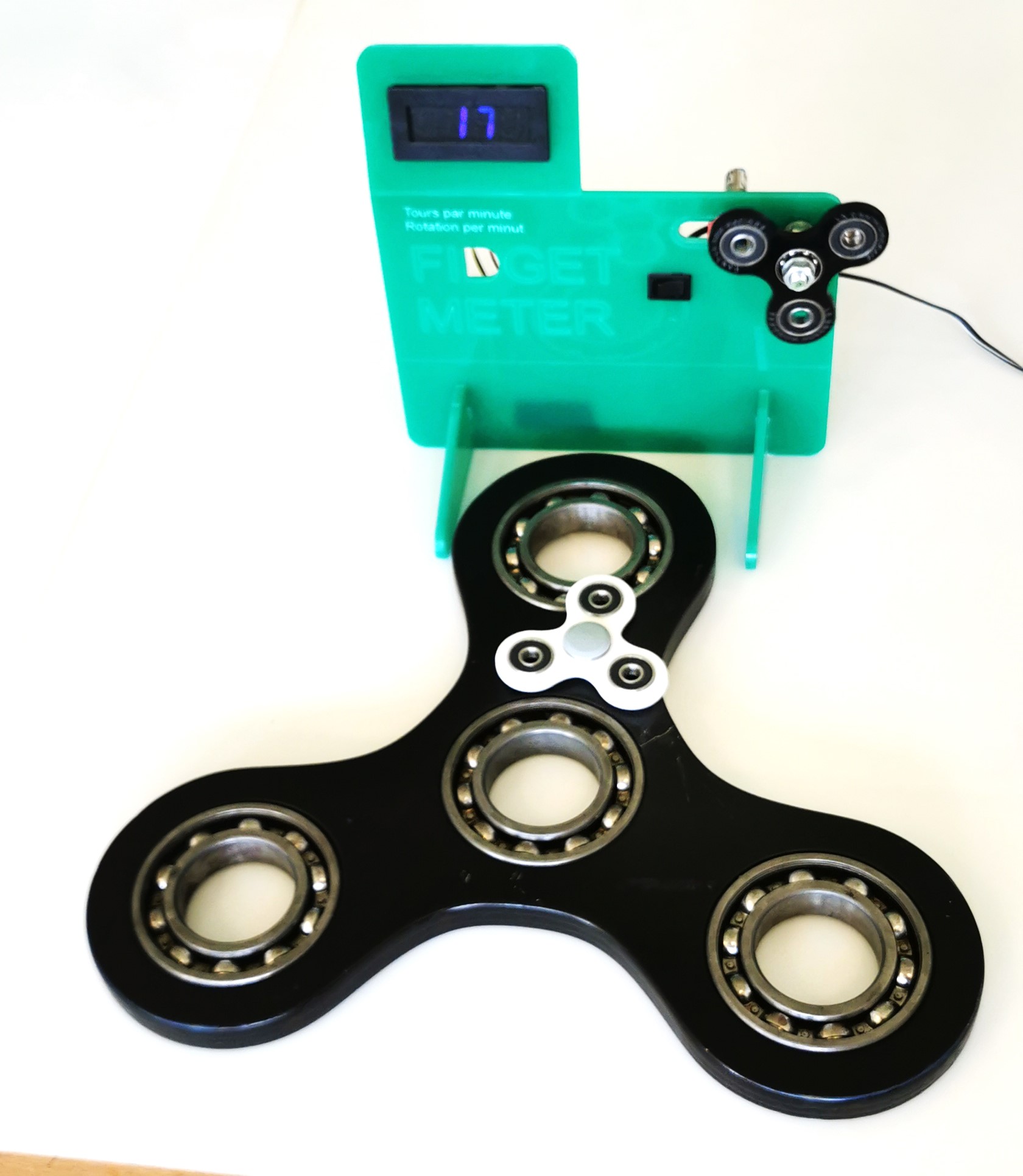
Fidget Meter
A machine designed to measure the rotation speed and spin duration of fidget spinners made by Year 8 students in design class. A project crossing design, physics and mathematics. The device displays in real time the rotation speed in RPM as well as how long the spinner can keep turning — driven by a standardised 100-gram weight falling from a height of one metre, ensuring identical test conditions for every student. An objective and rigorous comparison tool, purpose-built for the design classroom.
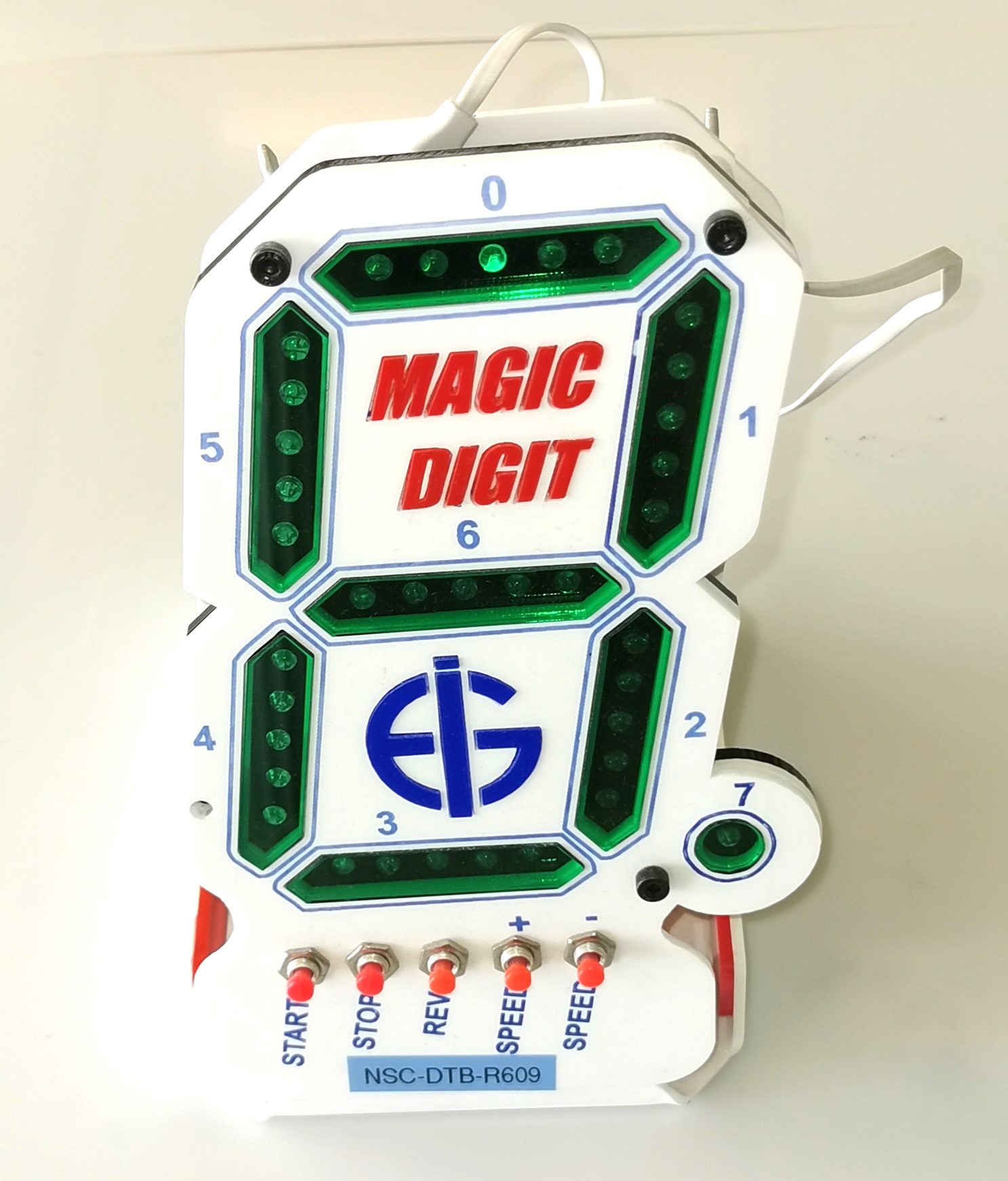
Magic Digit
A counting machine prototype designed for learning Python programming. Built around a 7-segment display controlled remotely, it generates number displays by combining design aesthetics and programming logic. Students see their code executing in a concrete, immediate way — each instruction translates directly into a displayed digit. Python is used for more advanced programming, while Scratch provides a first graphical and intuitive approach to programming logic.
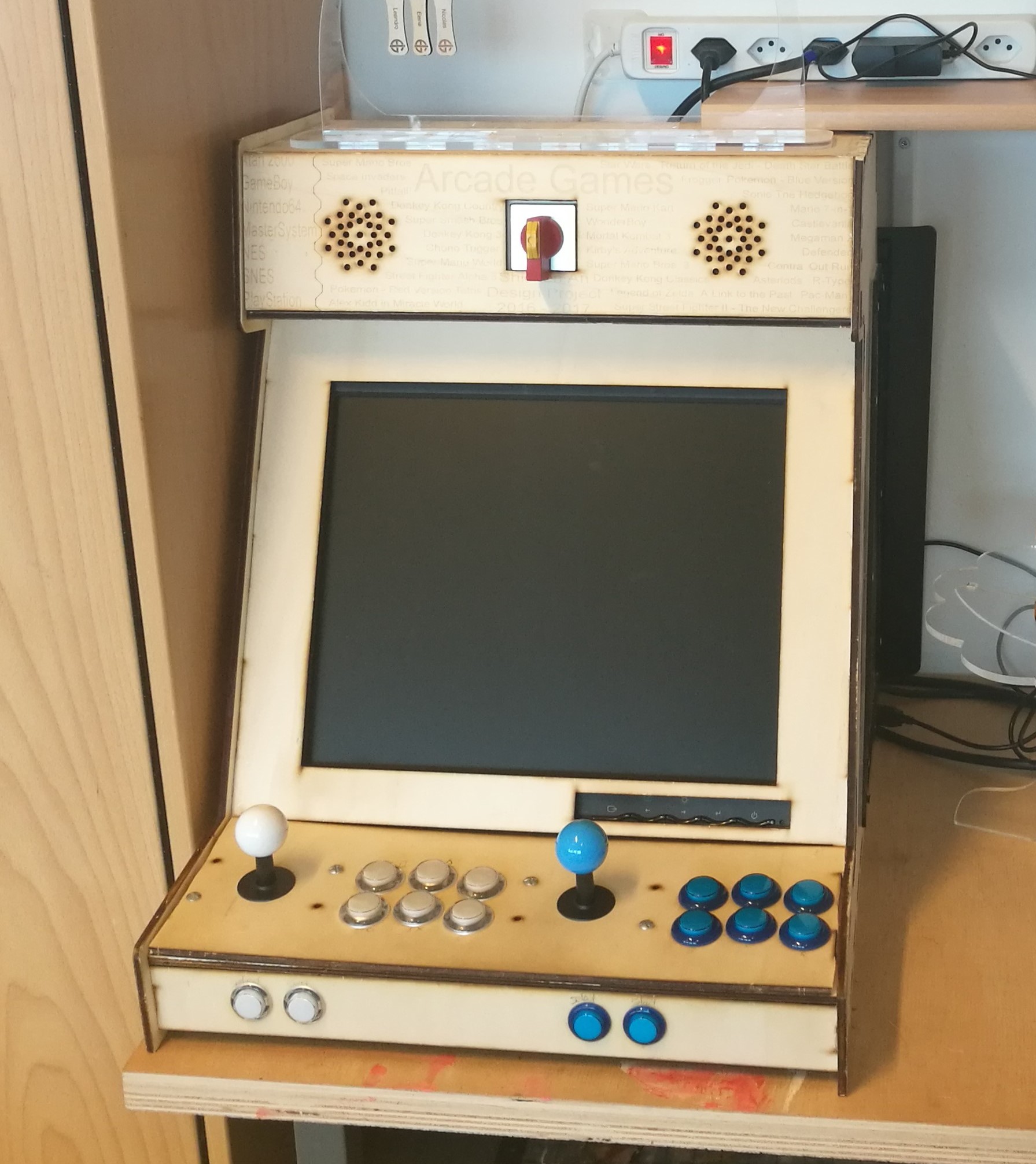
Arcade Game
A full arcade cabinet built from scratch by a Year 11 student — a flagship project, from A to Z. The plywood enclosure is entirely laser-cut, the screen is a salvaged monitor given a second life, and the buttons and joystick were sourced and integrated by the student himself. The whole system runs on a Raspberry Pi. A project spanning programming, industrial design and electronics — and a powerful demonstration of what a talented, motivated student can design and build independently at Fab-Nat.
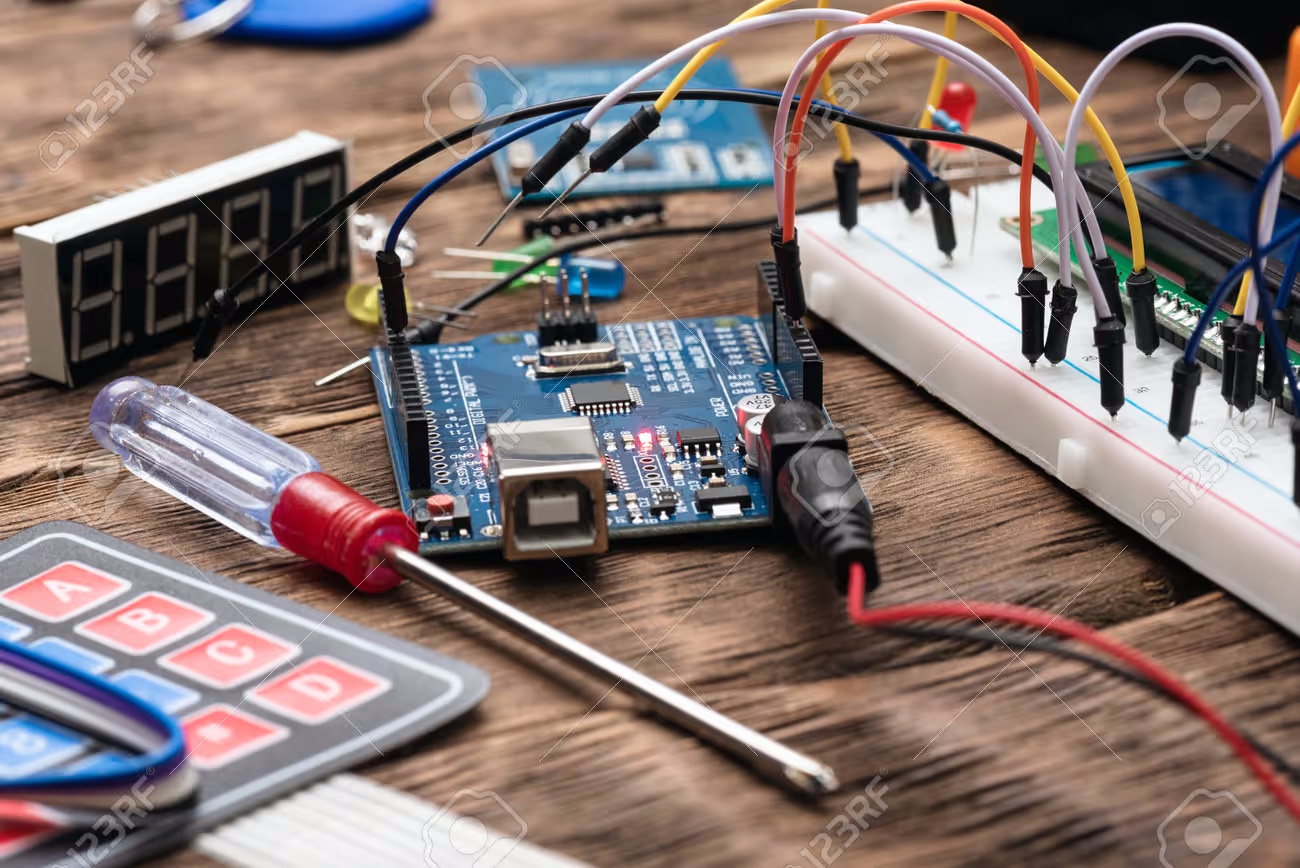
Electronics Lab — Arduino & Raspberry Pi
A set of electronic resources available at Fab-Nat: Arduino, Raspberry Pi, sensors, LEDs, relays, breadboards. The foundation of many interdisciplinary projects combining physics, maths and programming.
Design & Artistic Projects
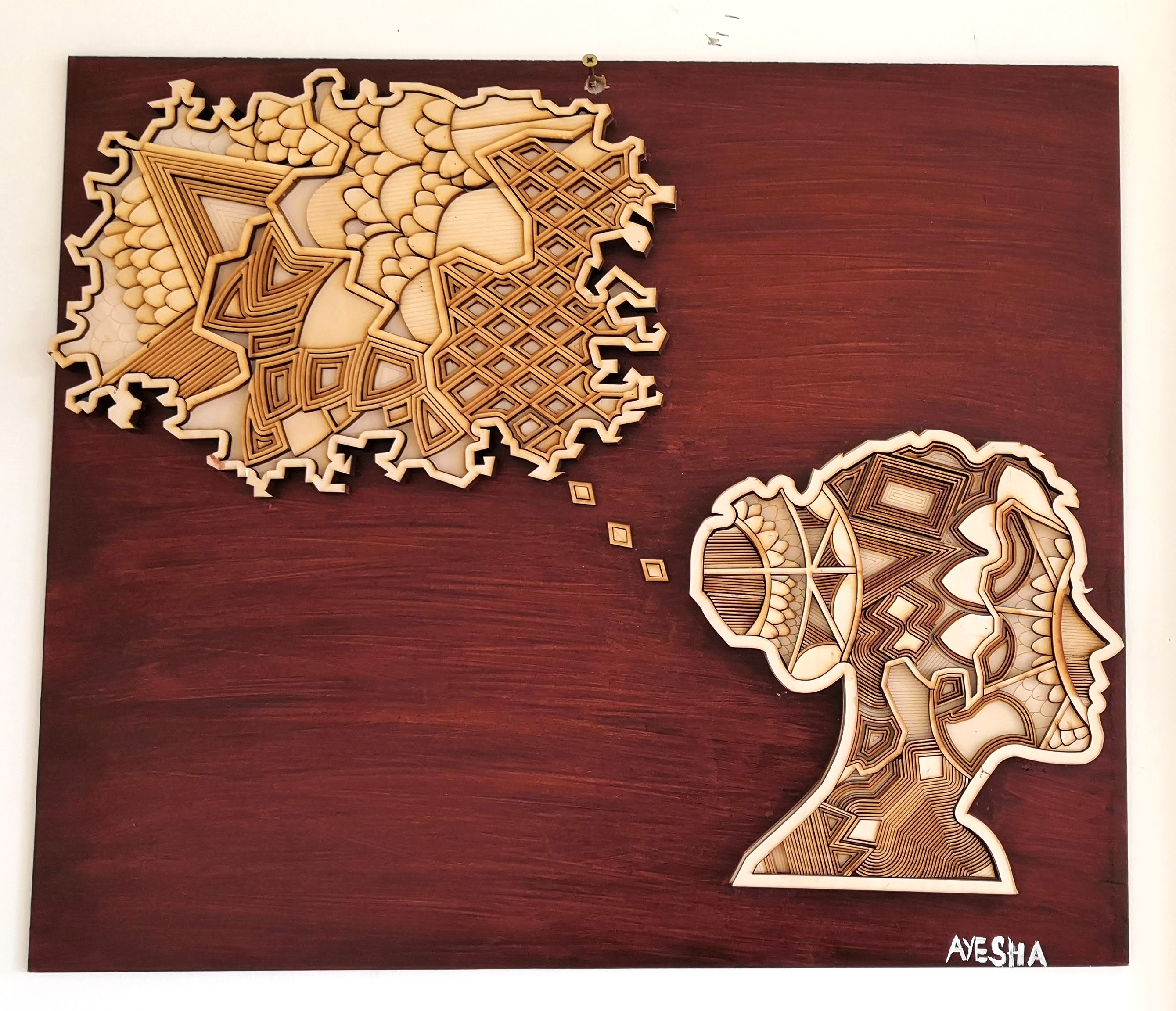
Mind Map — A 5-Layer Work of Art
In this artistic design project, a student created a work in five layers of wood of different species and colours. The composition depicts a woman's face in profile, with a speech bubble in which her thoughts unfold as a mind map. Each layer of wood contributes its own texture and shade, creating remarkable visual depth and material richness. A work that is both technical and poetic, perfectly illustrating Fab-Nat's ability to put digital fabrication at the service of the most personal artistic expression.
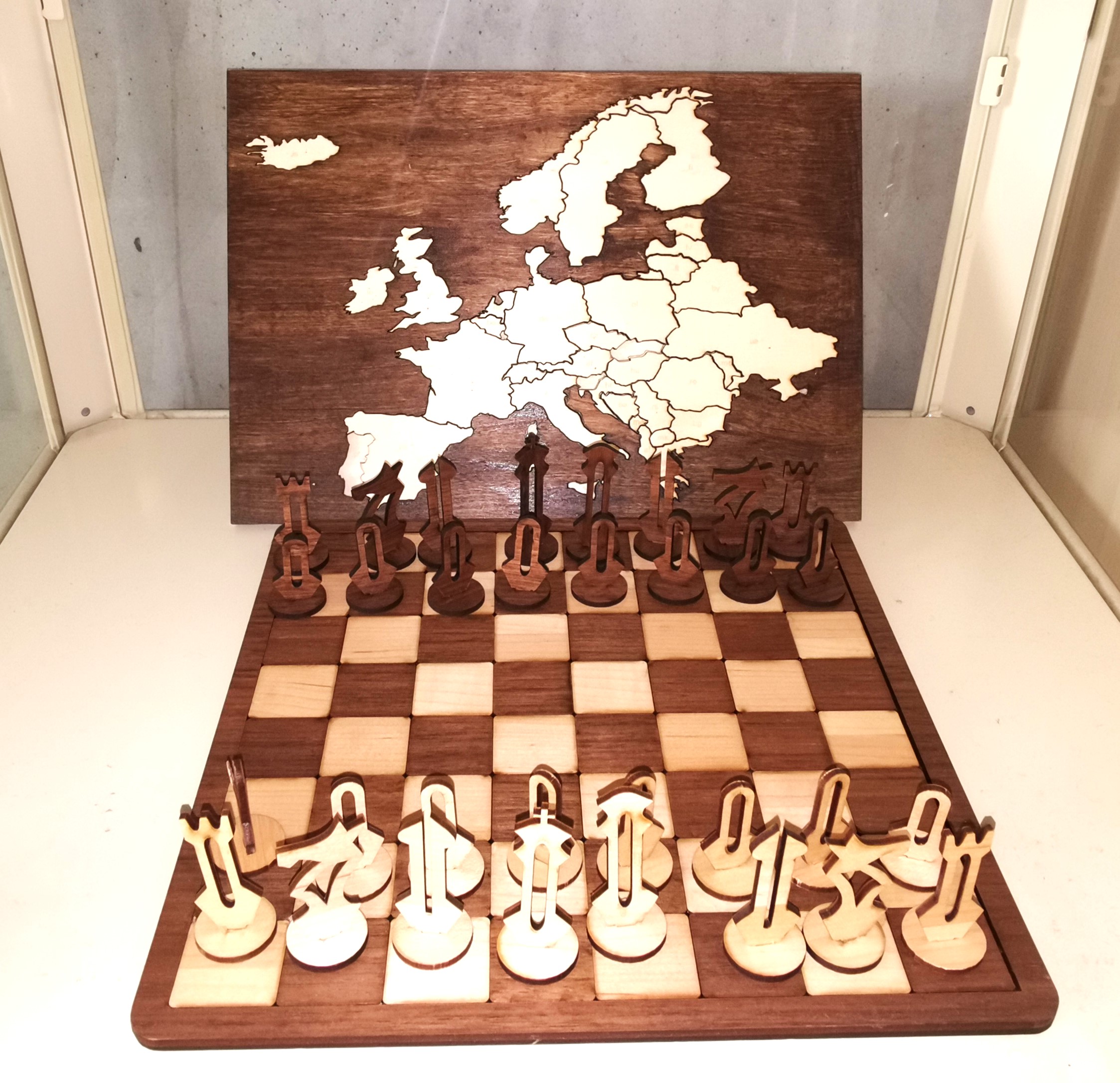
Europe — Precious Wood
Three precious wood creations from the same project: a complete chess set with its pieces and storage box, and a map of Europe in which each country forms an independent puzzle piece to be assembled. Objects of remarkable finesse, entirely designed and laser-engraved, perfectly illustrating Fab-Nat's capacity to produce high-quality craftwork.
Initials & Logo — Walnut Key Ring
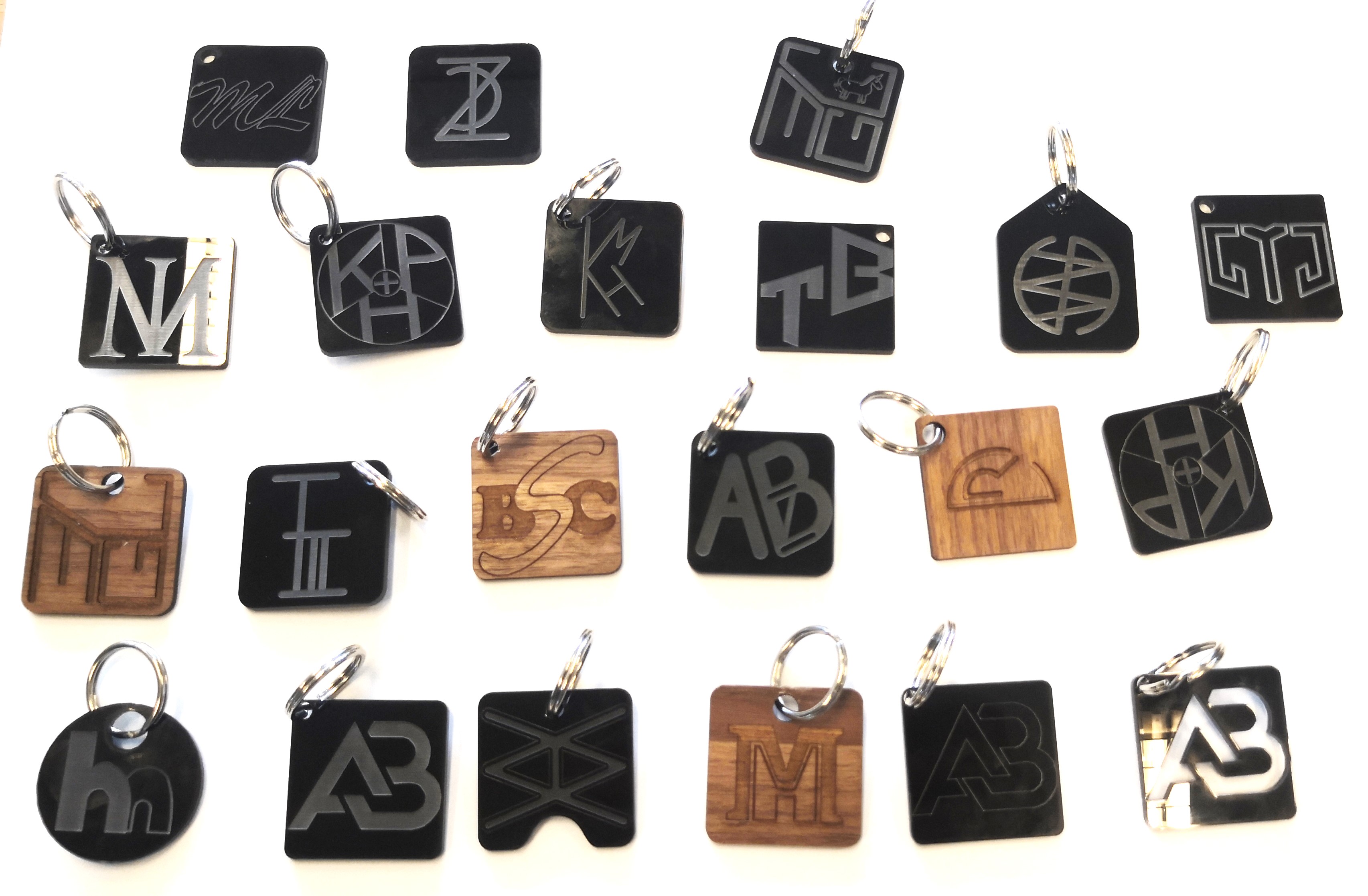
In this project, students began by drawing their initials on paper in an artistic way to create a unique personal logo. They then used Bézier curves to digitally model their initials according to their imagined logo. The final result is laser-cut from a piece of walnut and fitted with a ring — an elegant, fully personalised key ring at the intersection of drawing, digital design and fabrication.
Smell & Guess
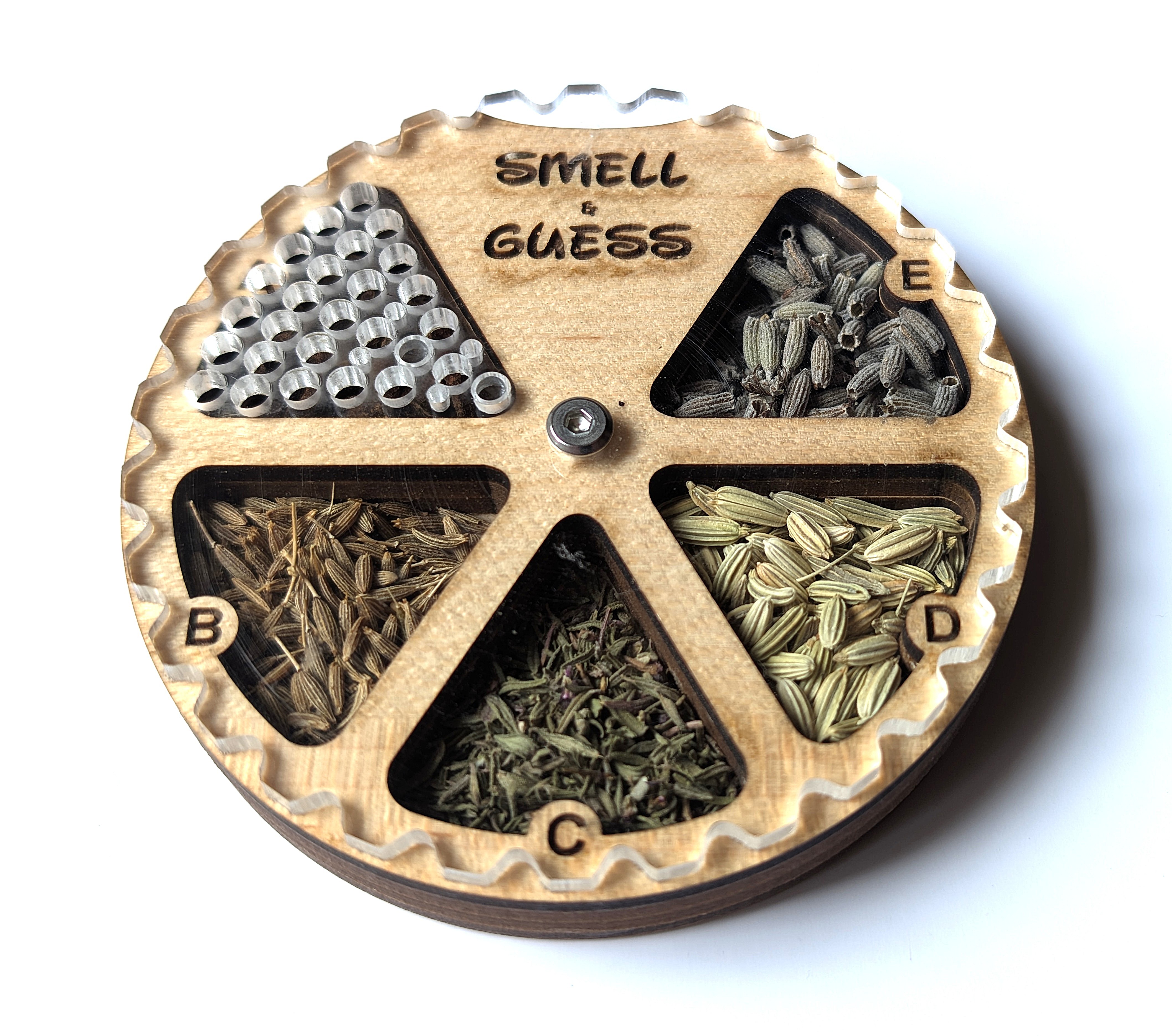
A box with six rotating compartments containing aromatic substances — rosemary, cloves, fennel, lavender... By turning the lid, the user releases each scent in turn and must identify the substance without seeing it. A sensory and playful project combining mechanical design, laser-cut fabrication and scientific experimentation.
Acoustic Guitar — Personal Project
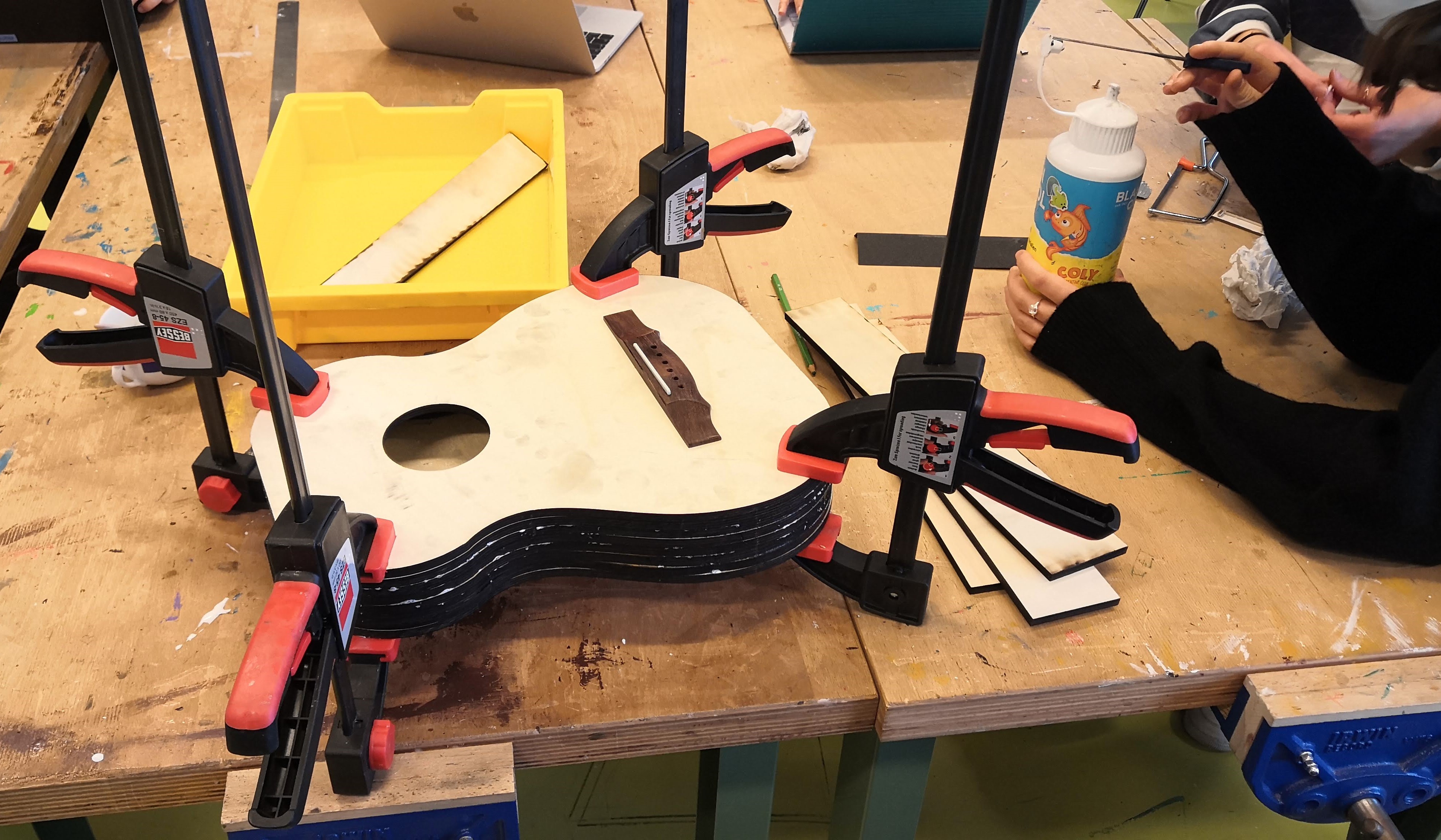
As part of his Personal Project, this student took on a remarkable challenge: designing and building an acoustic guitar from A to Z, with his own design. Every single piece — soundboard, neck, bridge, sides — was laser-cut at Fab-Nat and then carefully assembled by the student. The guitar was perfectly functional at the end of the project. An exceptional achievement that illustrates what a passionate and determined student can accomplish when given the right tools and the right support.
Wood Engraving — From Drawing to Gift
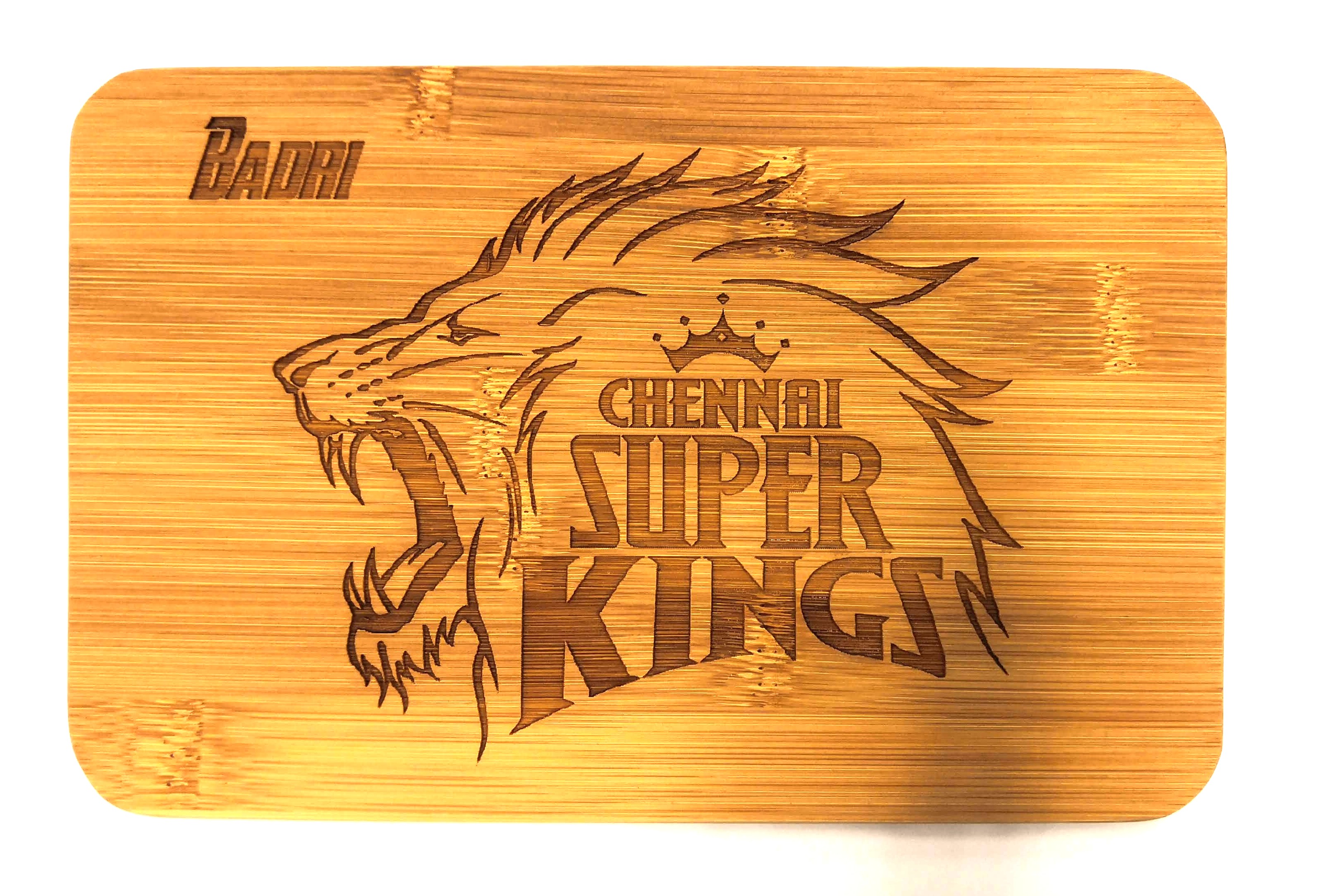
In this project, students repurpose IKEA chopping boards into genuine personalised graphic pieces. Each student draws a logo, illustration or graphic artwork, then reworks it with Bézier curves before engraving it onto the wooden board with the laser. The result is a unique, elegant and personal object — ideal as a gift for Father's Day, Mother's Day or any other occasion. A project showing that with a little creativity and the right tools, an everyday object can become a work of art.
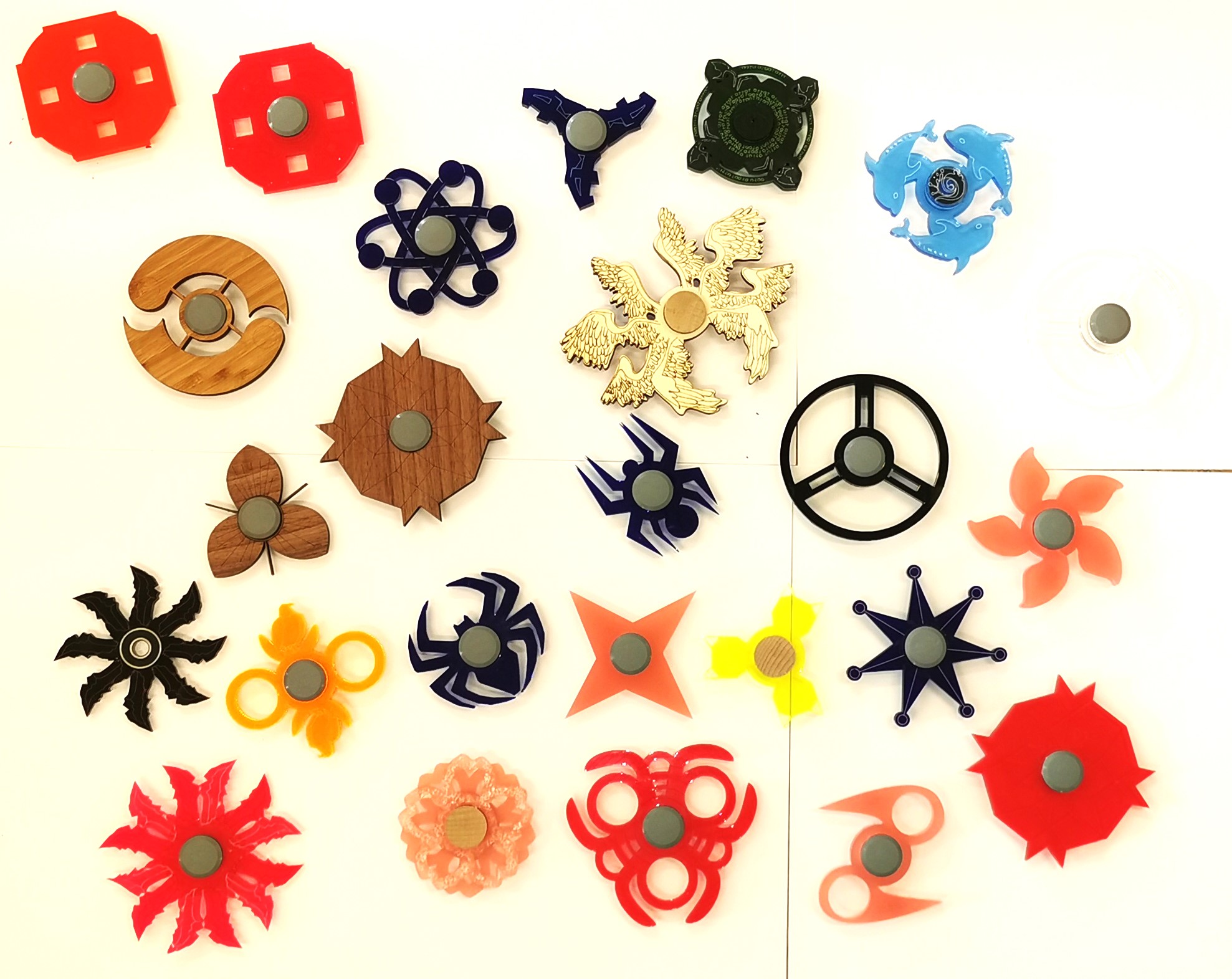
Fidget & Culture — Design by Iteration
In this design project, Year 8 students must design a fidget spinner through three successive iterations. Each proposal incorporates a graphic element linked to their cultural background — a landmark from their country, a pattern characteristic of a culture, an identity symbol. The result is laser-cut and reflects both the student's technical mastery and their cultural uniqueness. A project that proves design is also a vehicle for personal expression and openness to the world.
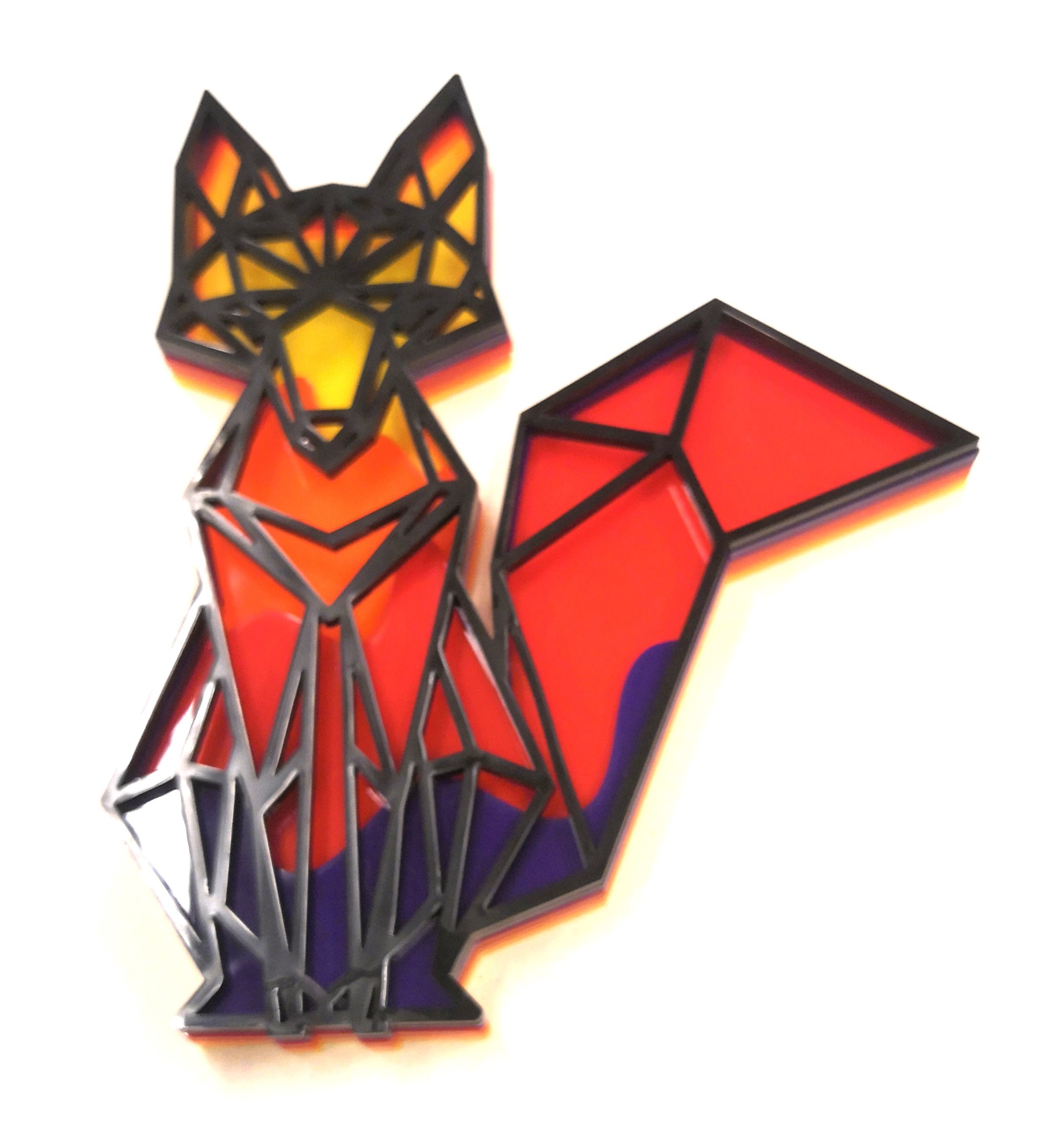
Acrylic Decoration — Light Design
A decorative piece in laser-cut acrylic. The transparency and cutting precision of acrylic allow for play with light and reflections to produce striking visual effects. An example of the aesthetic possibilities offered by laser cutting on transparent or coloured plastic material.
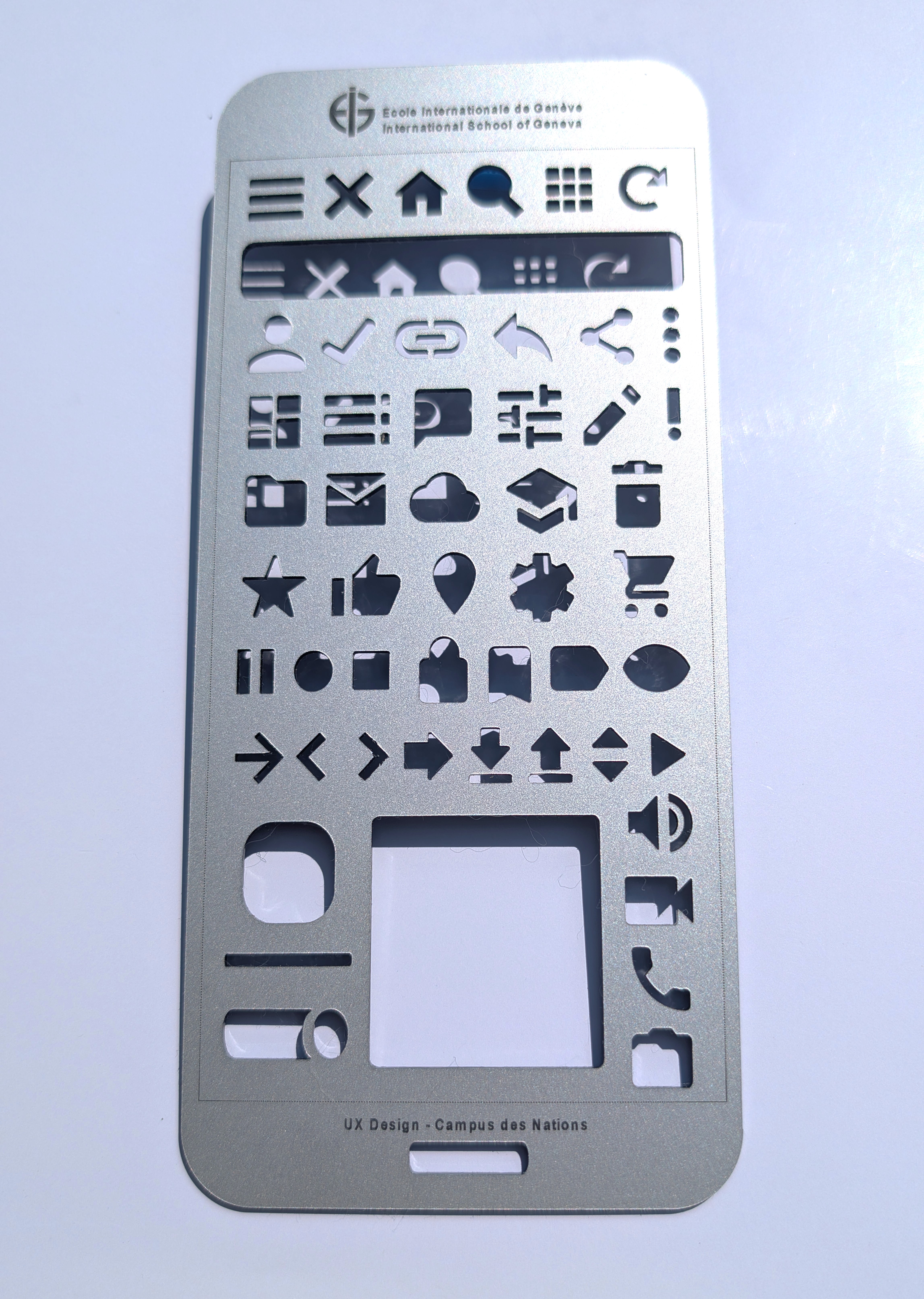
Stencil — Design & Screen Printing
Laser-cut stencils for screen printing and printing on fabric or paper. A technique that unites digital design and artisanal printing, opening the door to series personalisation.
Institutional Projects
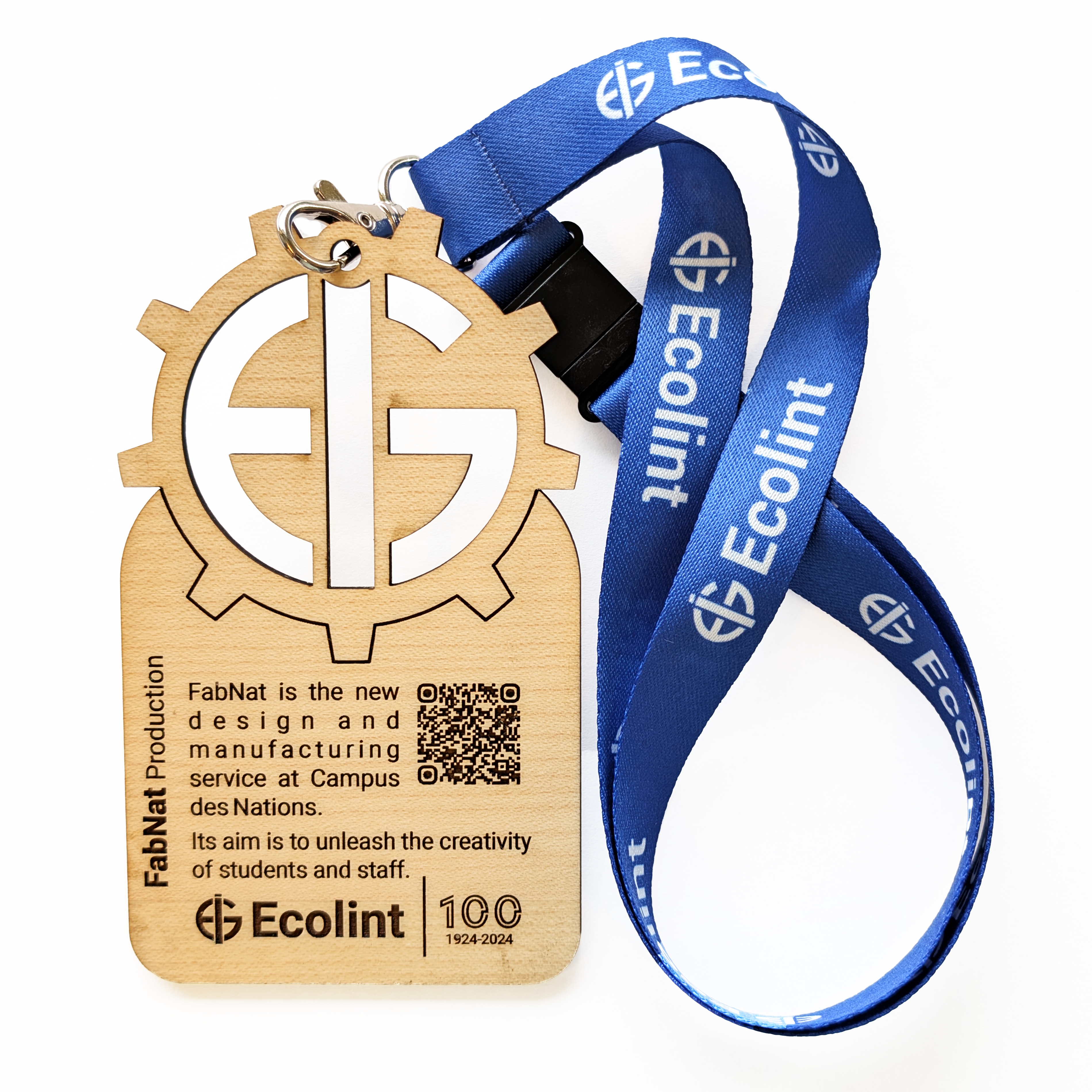
STEAM Summit 2025 Badge
Design and production of the official badge for the STEAM Summit 2025, organised by the Ecolint ICT department. Two hundred badges produced at Fab-Nat for this event hosted by the International School of Geneva. The badge features two sides: one bears the QR code of the Campus des Nations Fab-Nat, the other displays the event programme and the participant's name. A concrete institutional project demonstrating Fab-Nat's capacity to produce professional-quality communication objects, in series and on time.
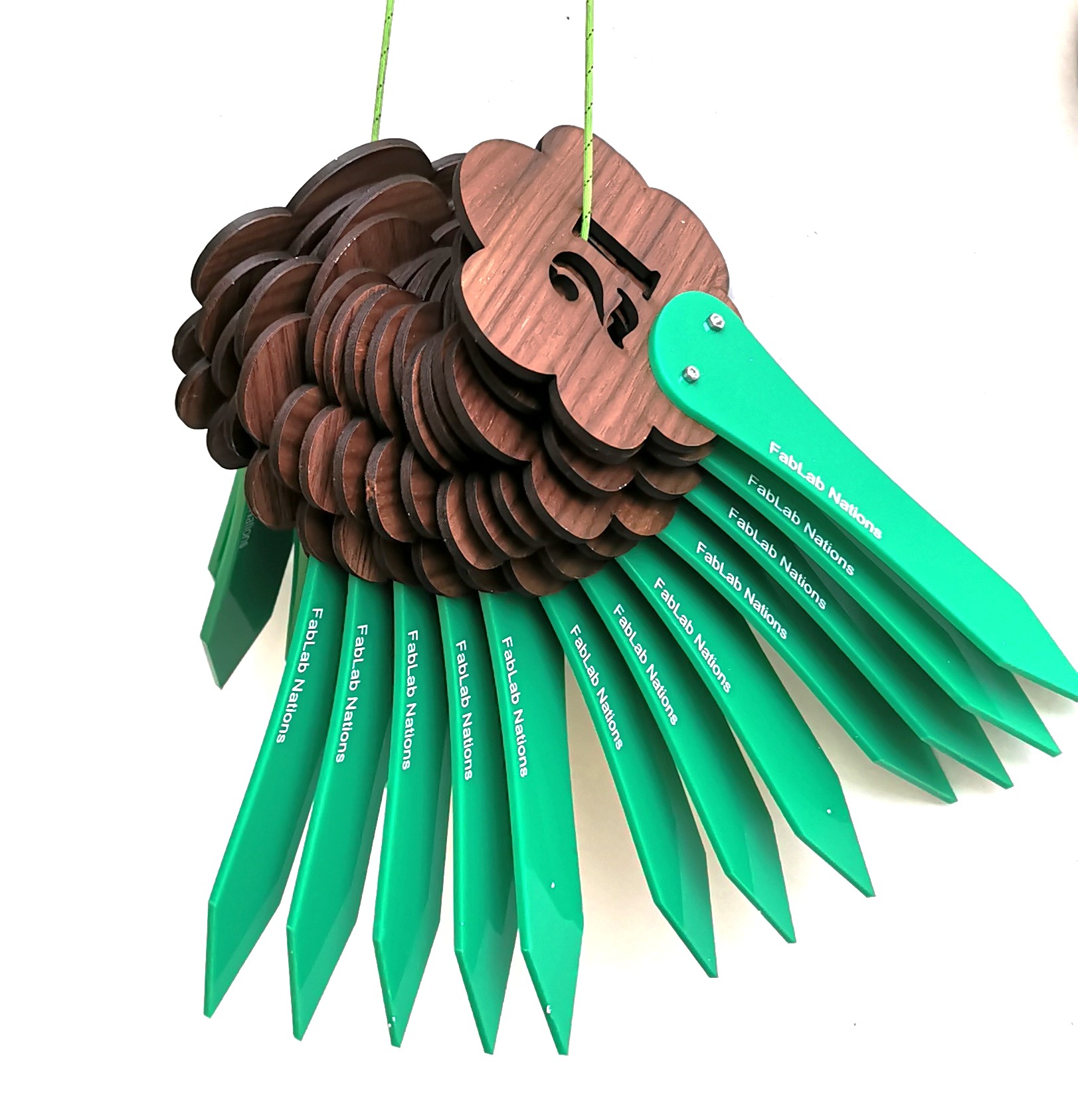
Garden Labels — Primary School
Plant labels bearing the names of primary school classes at Campus des Nations, requested by the school's gardening committee — service to the community in its most everyday dimension.
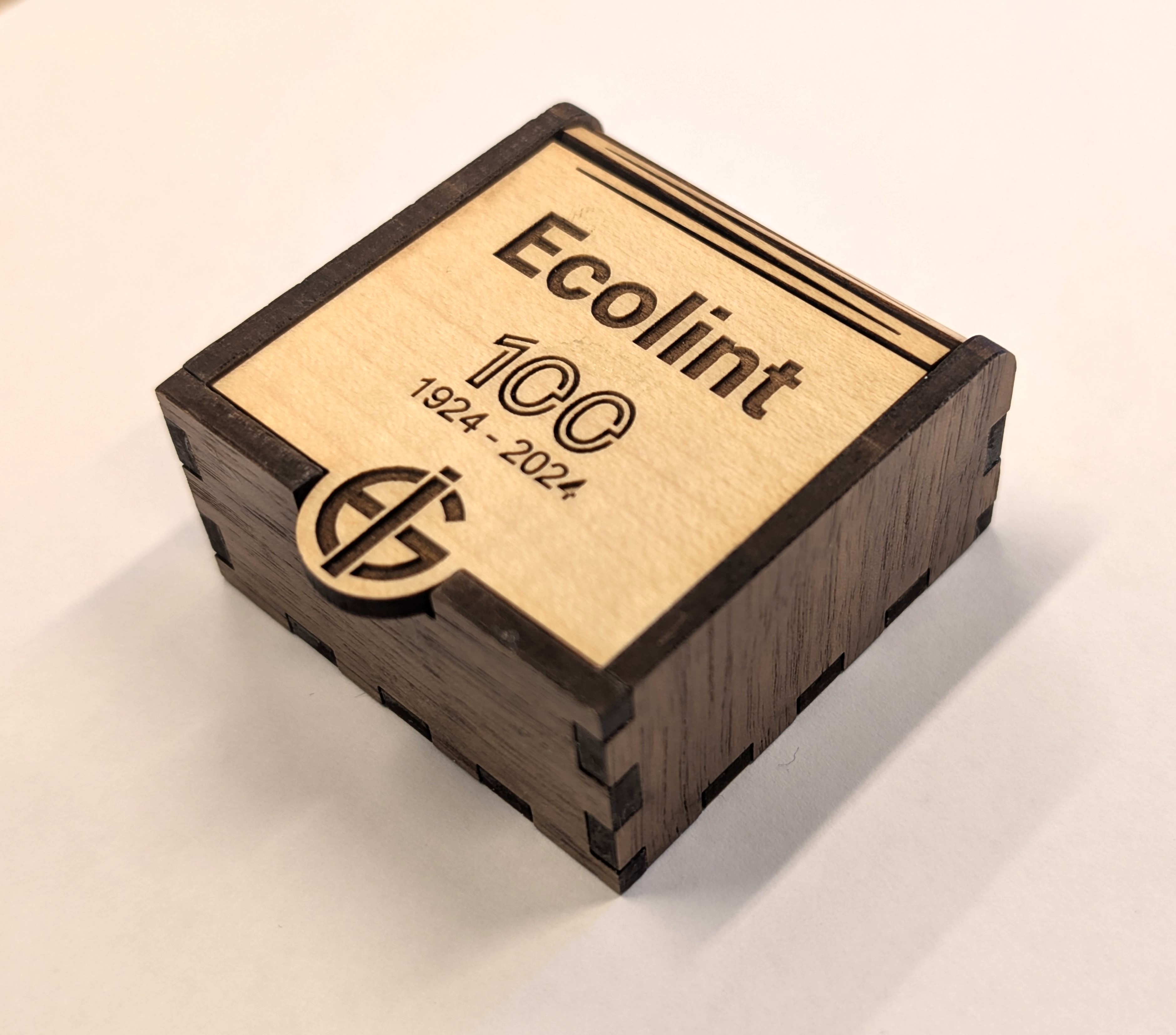
Gift Box — Ecolint Centenary
Fab-Nat regularly fulfils requests for custom objects for the community — key rings, badges, labels, trophies, frames. Each piece is made to measure, in line with the school's visual identity or current projects. Pictured here, a hinged wooden box created for Ecolint's centenary, in partnership with the philanthropy department, as a gift to thank donors. Inside the box: a magnet bearing Ecolint's QR code and the word 'Thank you'. A simple, elegant and meaningful object — made entirely at Fab-Nat.
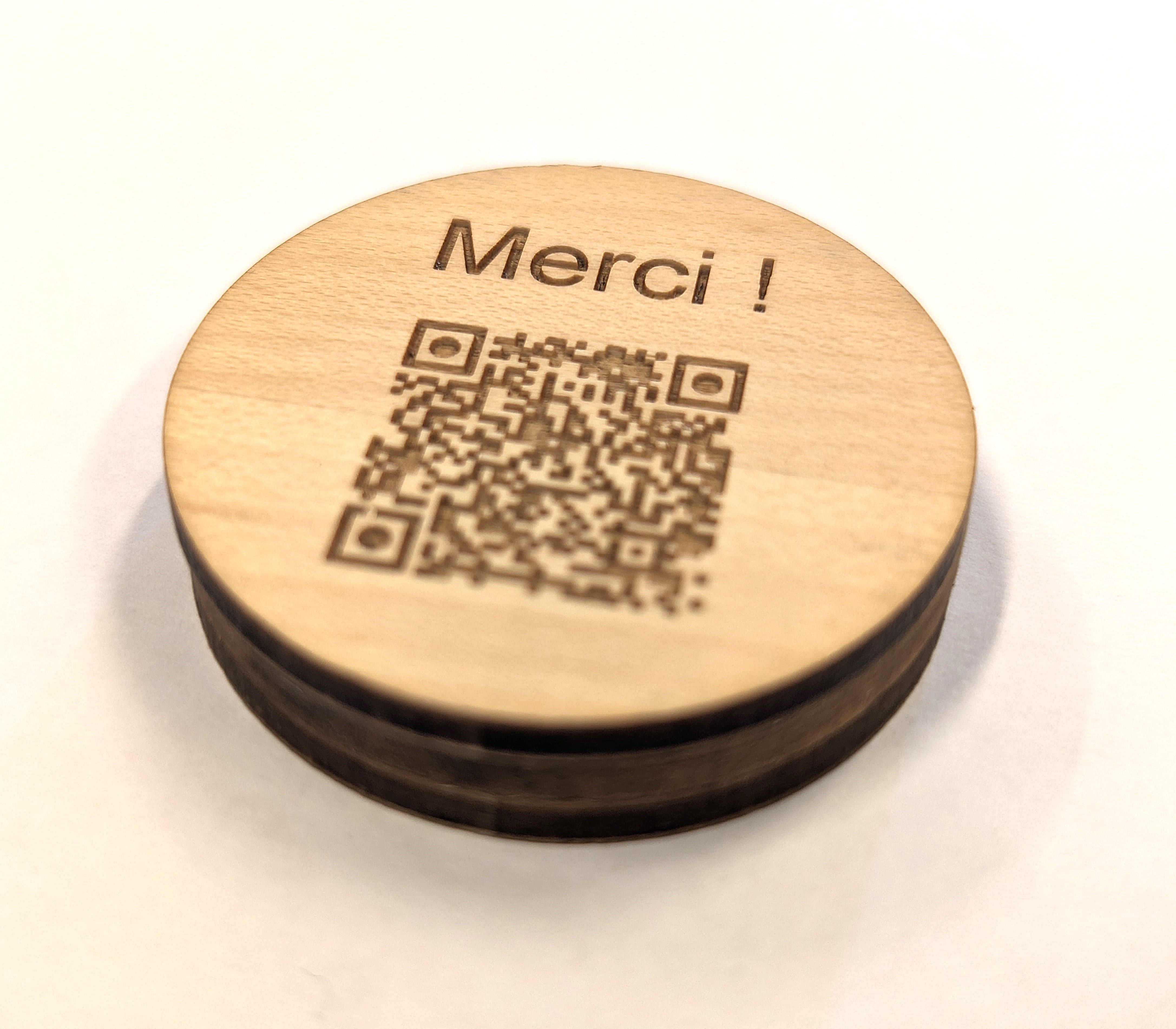
Signage & Magnet Ecolint
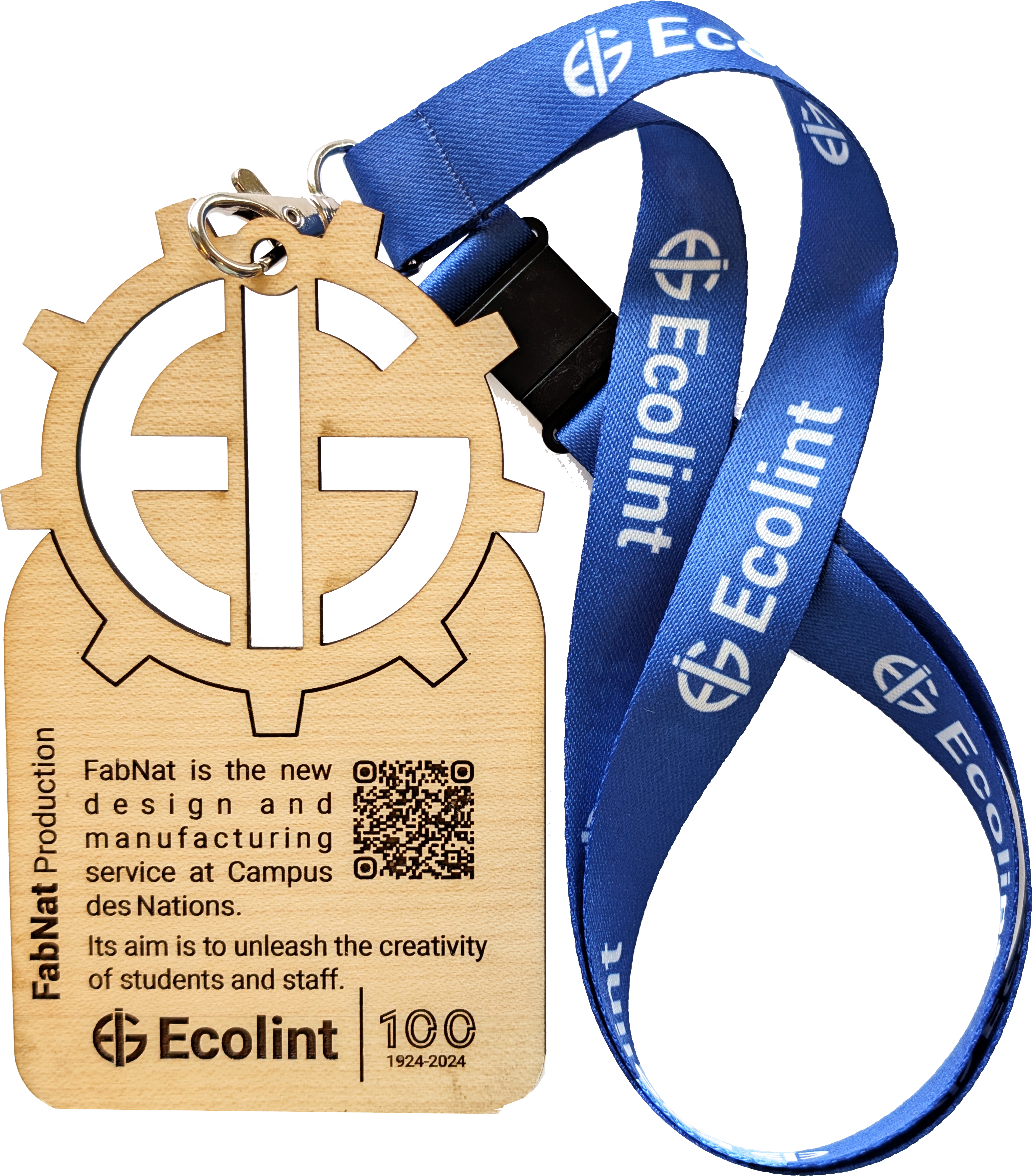
Fab-Nat regularly handles signage and communication needs for campus services: directional signs, event posters, door plates and space identity. Pictured here, a magnet crafted from high-quality wood — one side bearing a QR code linking to school resources, the other displaying Ecolint's motto. A highly effective marketing object, elegant and durable, distributed to campus visitors as an ambassador of the school's identity.
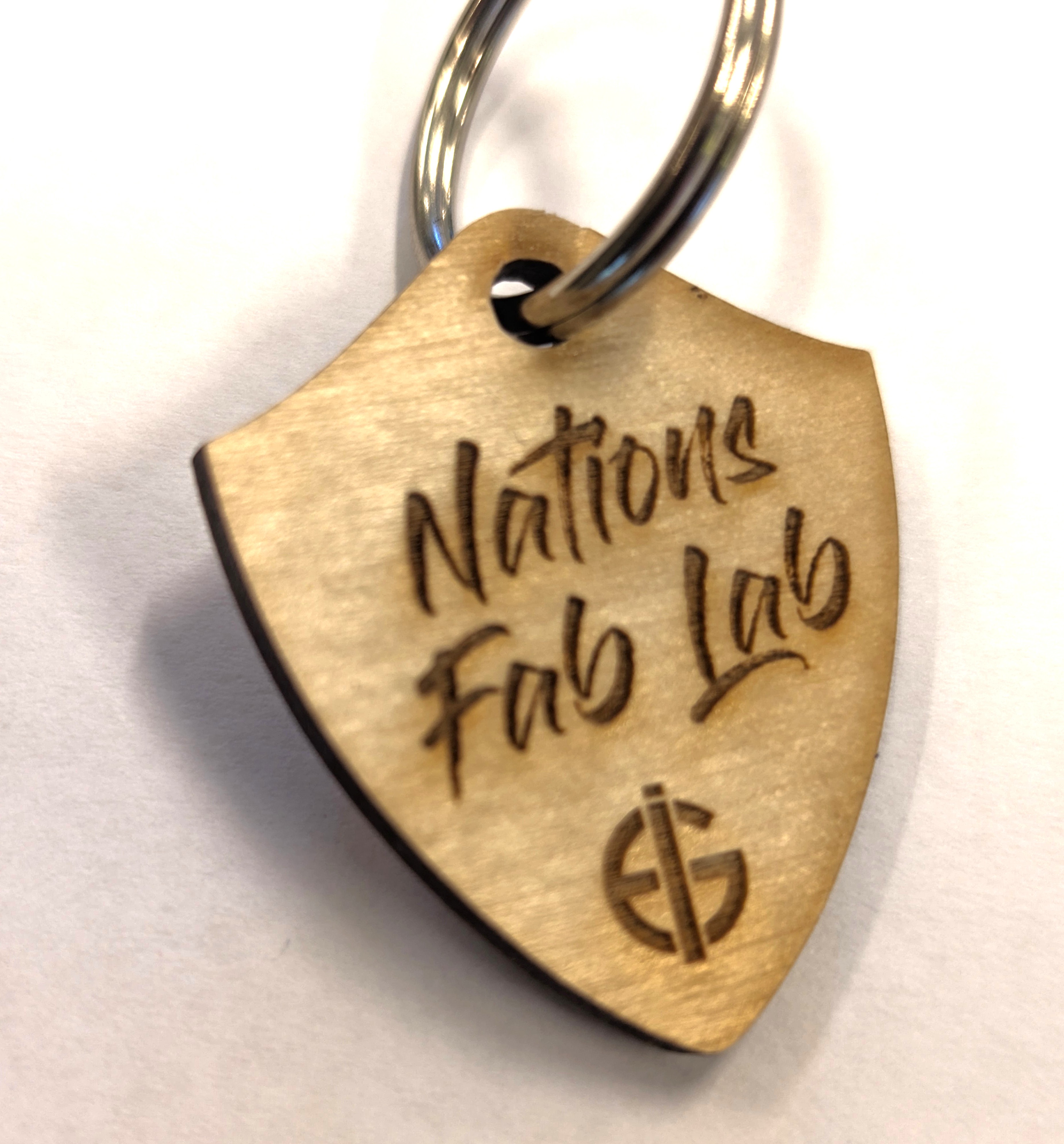
PP Key Ring — Fab-Nat Marketing
Fab-Nat puts its skills at the service of the community's visibility — posters, flyers, visual presentations. Pictured here, a Fab-Nat promotional key ring, distributed to all Year 11 students. A clever and practical object: on the back, a QR code linking directly to the Fab-Nat website with all the information needed to submit a request. A tangible first point of contact between the student and the service.
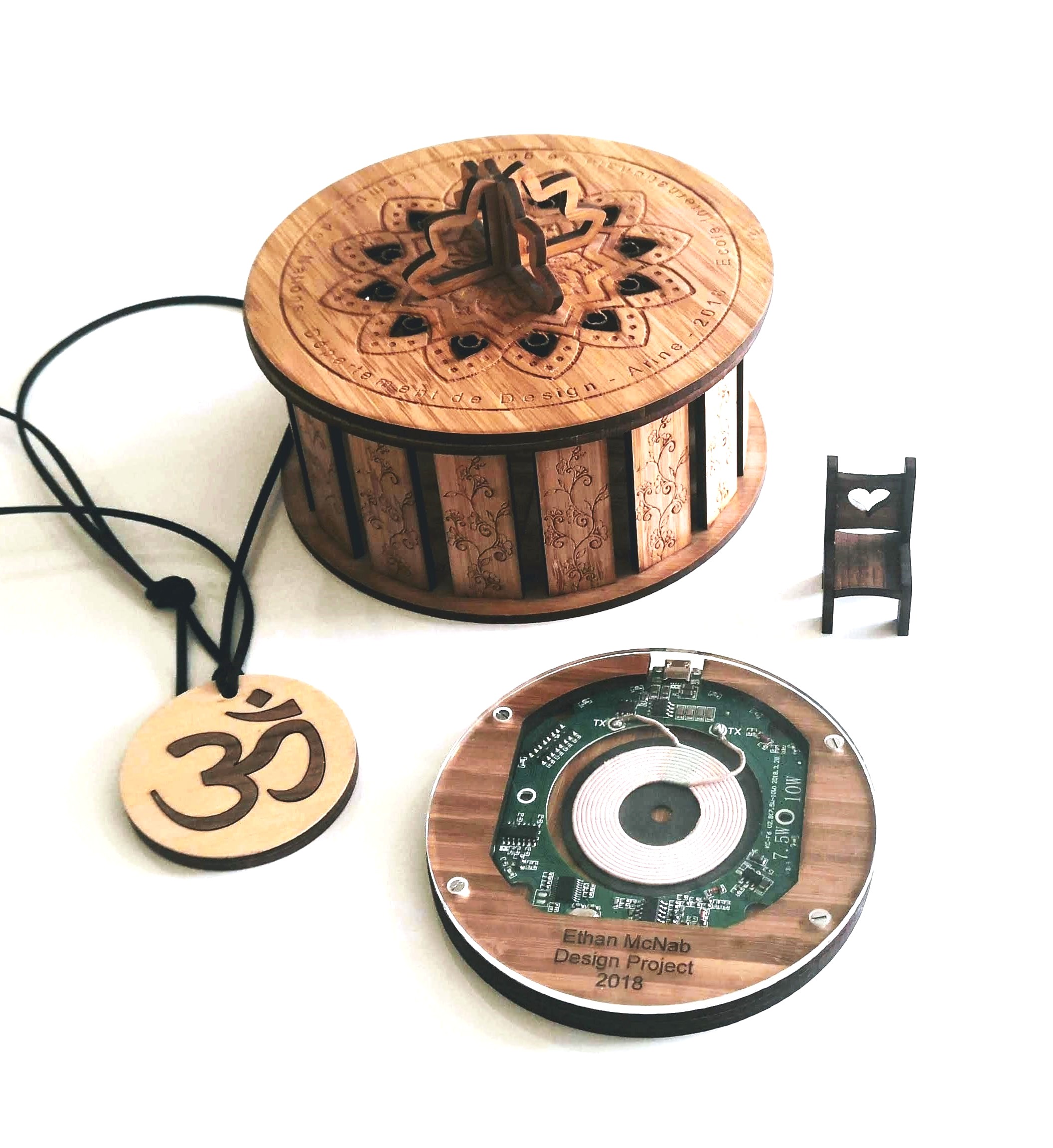
Gift Objects — Community
A series of gift objects produced for various occasions in campus life: trophies, award plaques, recognition objects. Each piece designed to measure at Fab-Nat.
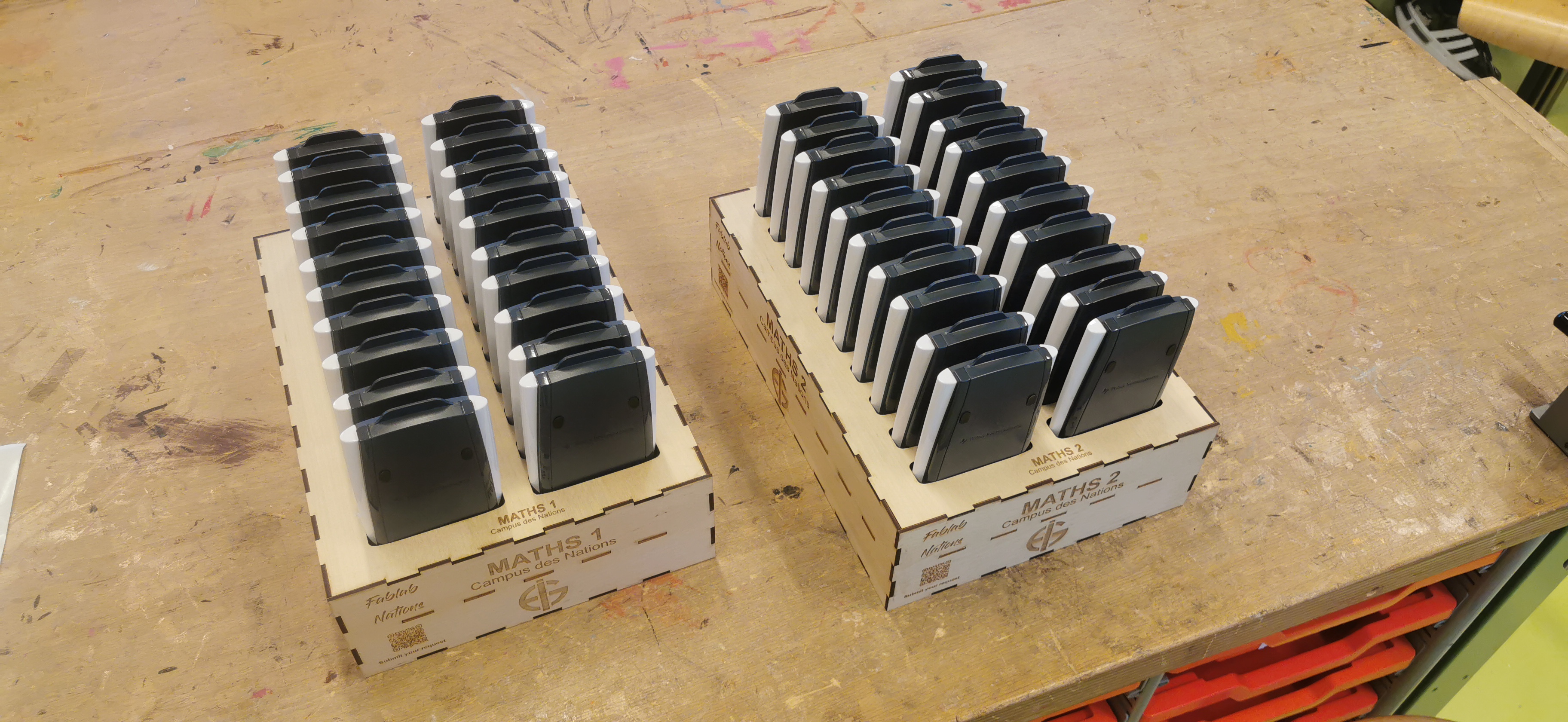
Calculator Boxes — Maths Department
Storage boxes for calculators designed and made for the mathematics department. An example of a functional, institutional project that improves a department's daily life.
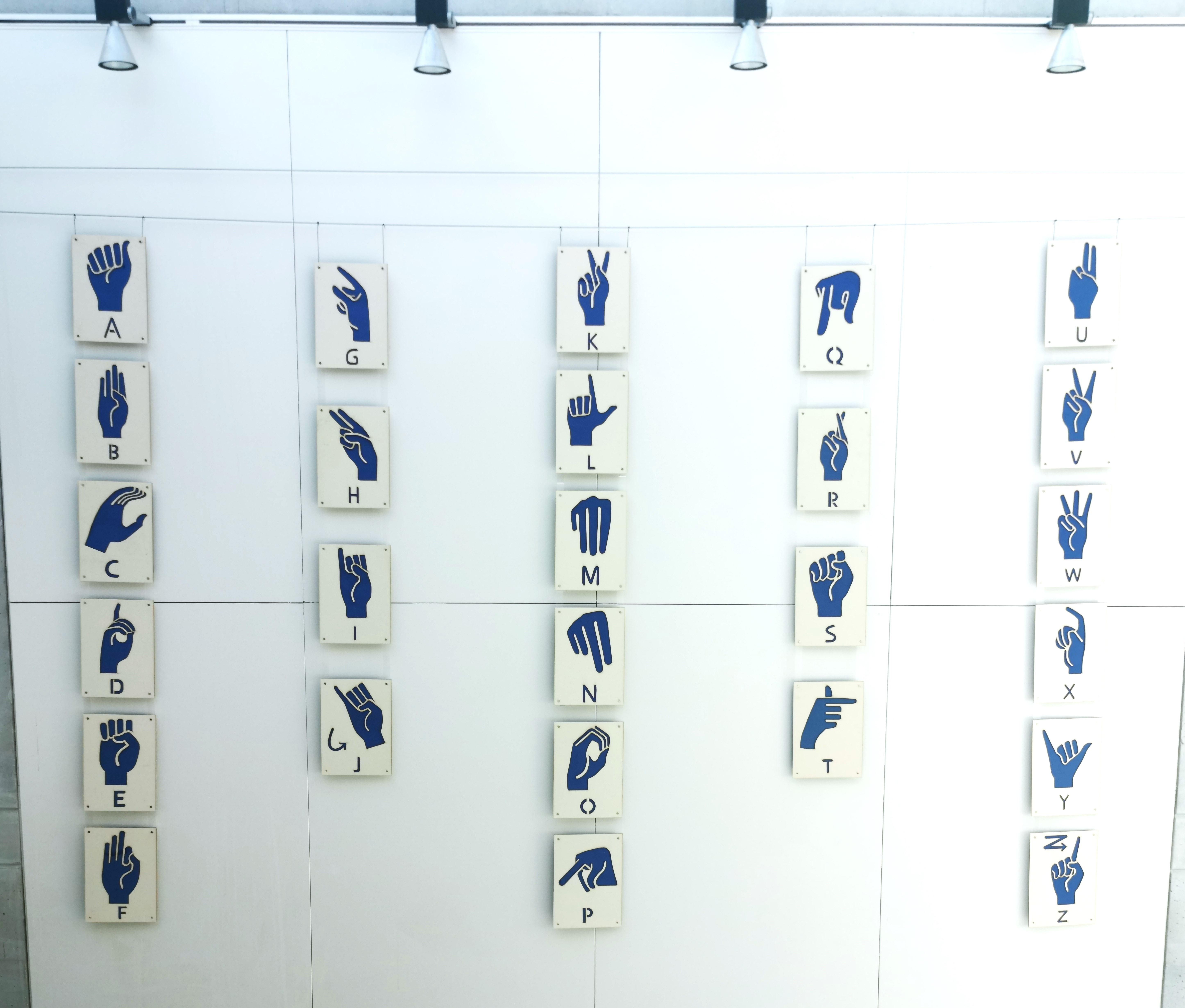
Sign Language Project — Institutional
An institutional project related to accessibility and inclusion within the campus. Fab-Nat at the service of the Ecolint community's values.
IB Personal Projects
The Personal Project is an individual project that each Year 11 student (IB MYP programme) carries out independently. Fab-Nat is a natural partner for these ambitious projects.
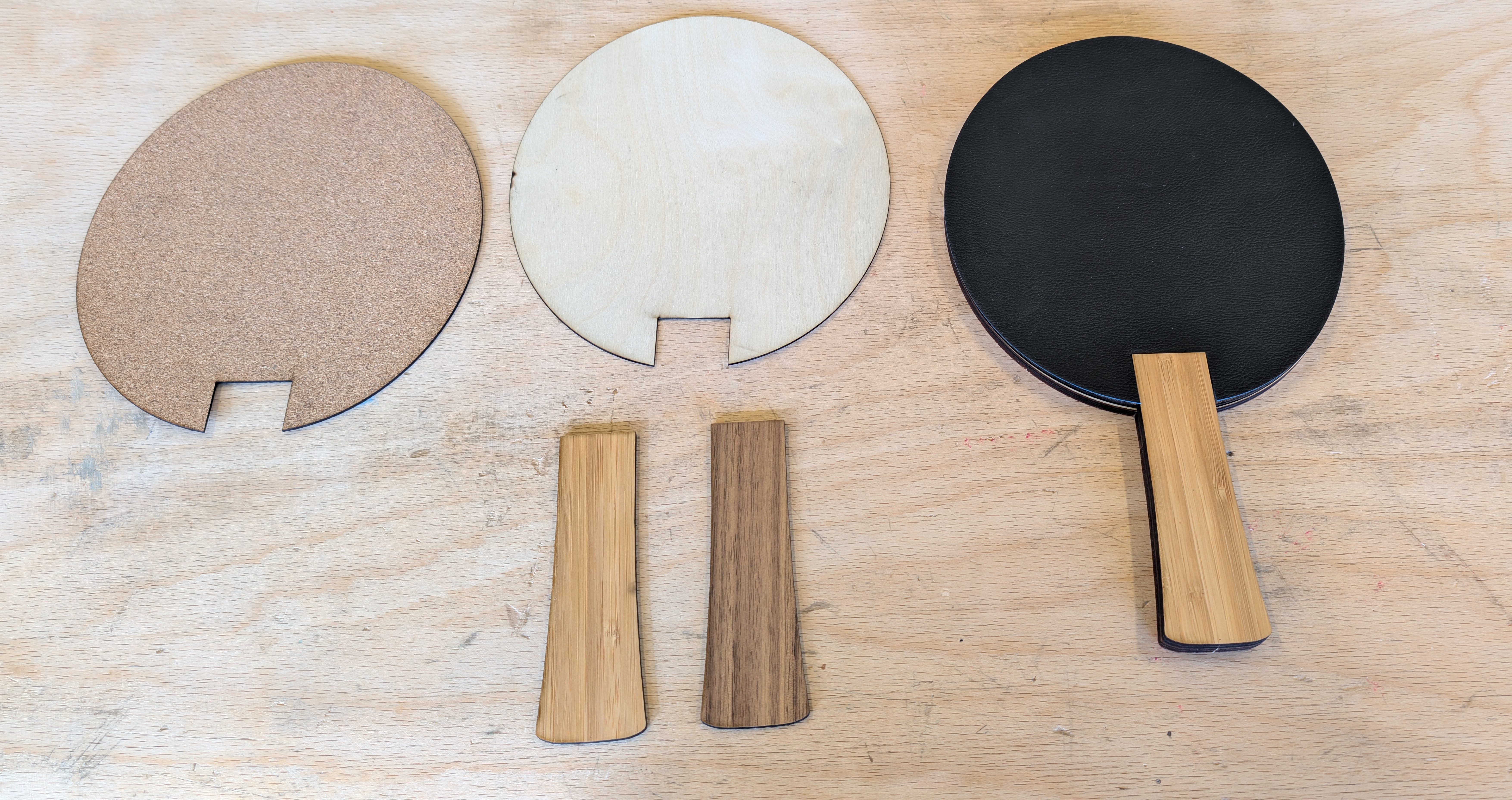
Table Tennis Paddle — Personal Project
As part of his Personal Project, this student designed and built his own table tennis paddle from scratch. The paddle design was entirely conceived by the student, then broken down into successive layers cut by laser — each layer contributing to the final shape, thickness and balance of the paddle. One photo shows the finished paddle; a second image details the individual cut layers before assembly. A project combining product design, technical precision and aesthetic sensibility.
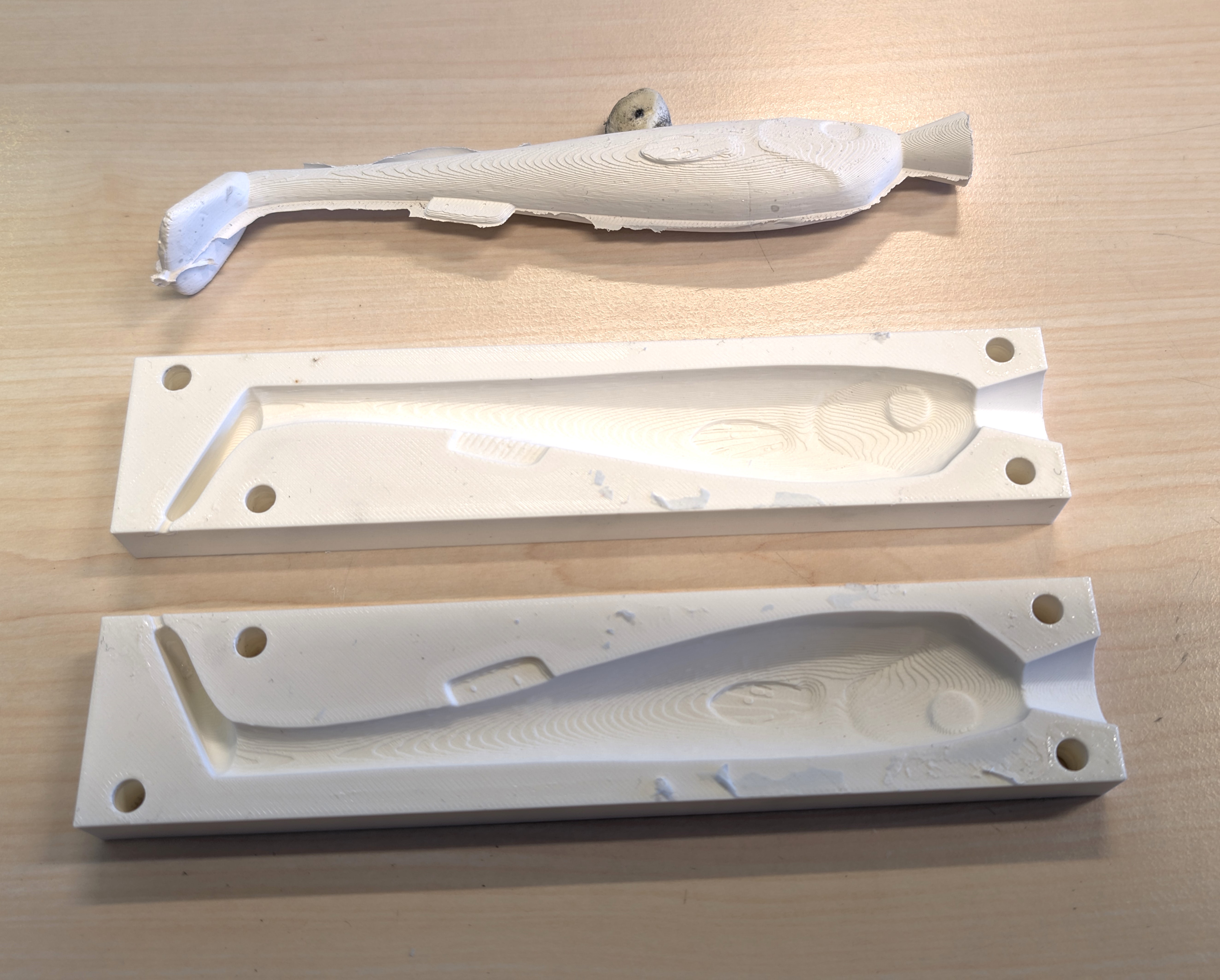
3D Fishing Lures — Personal Project
As part of his Personal Project, this student used Fab-Nat to design and 3D print a mould for casting silicone fishing lures. He mastered 3D design using Fusion 360, from modelling the lure itself to designing the two-part mould. The resulting lures are fully functional — a project at the intersection of product design, biology and digital fabrication, carried out from start to finish with rigour and passion.
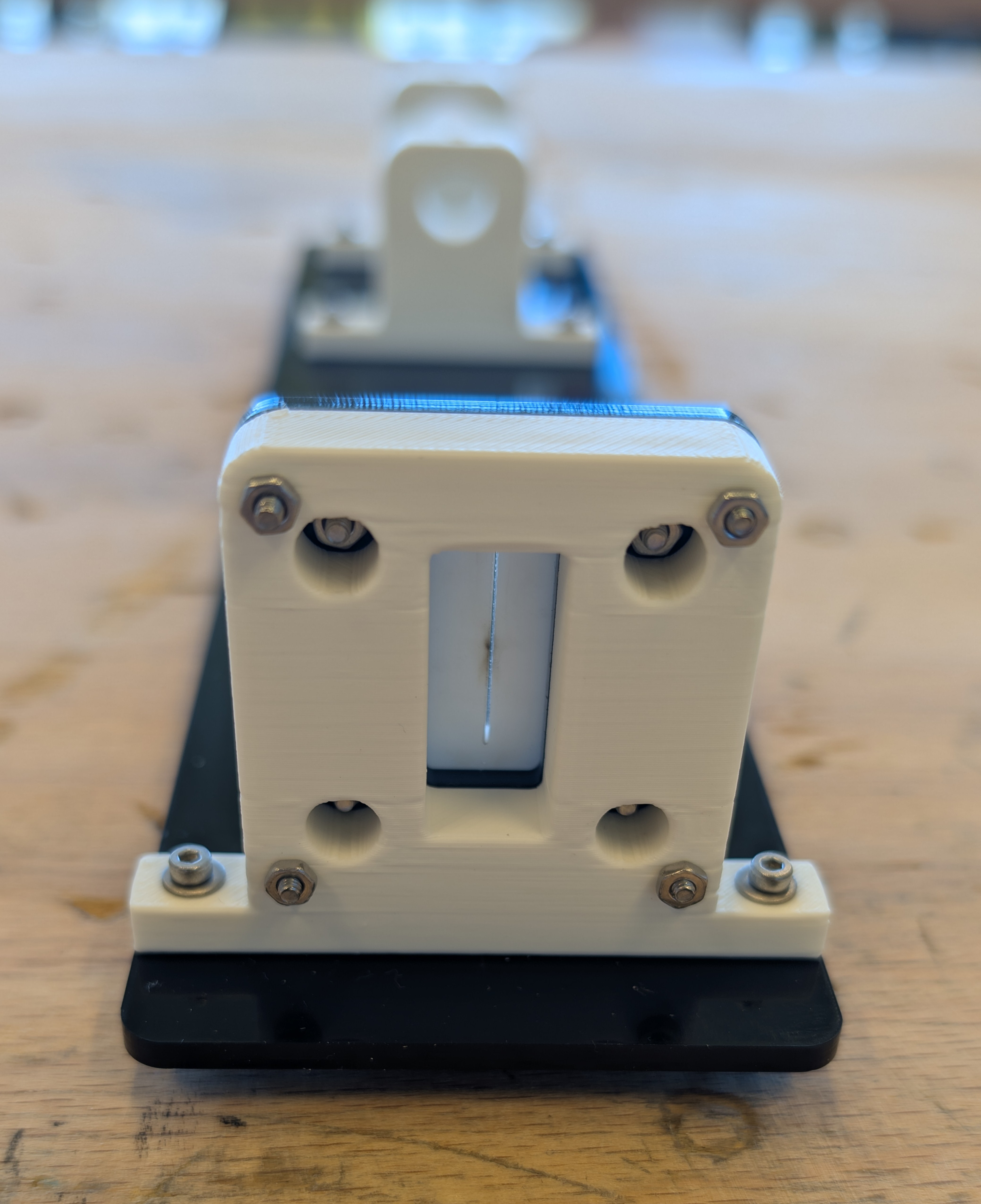
Double Slit — Miniature Prototype
As part of his Personal Project, this student recreated the double-slit experiment — a fundamental quantum physics experiment inspired by CERN's work. The prototype uses a laser pen whose beam passes through a finely calibrated slit, reproducing the characteristic beam splitting. Entirely designed and built at Fab-Nat, the prototype was fully functional and was presented at the school's open days — a remarkable achievement combining fundamental physics, design and digital fabrication.
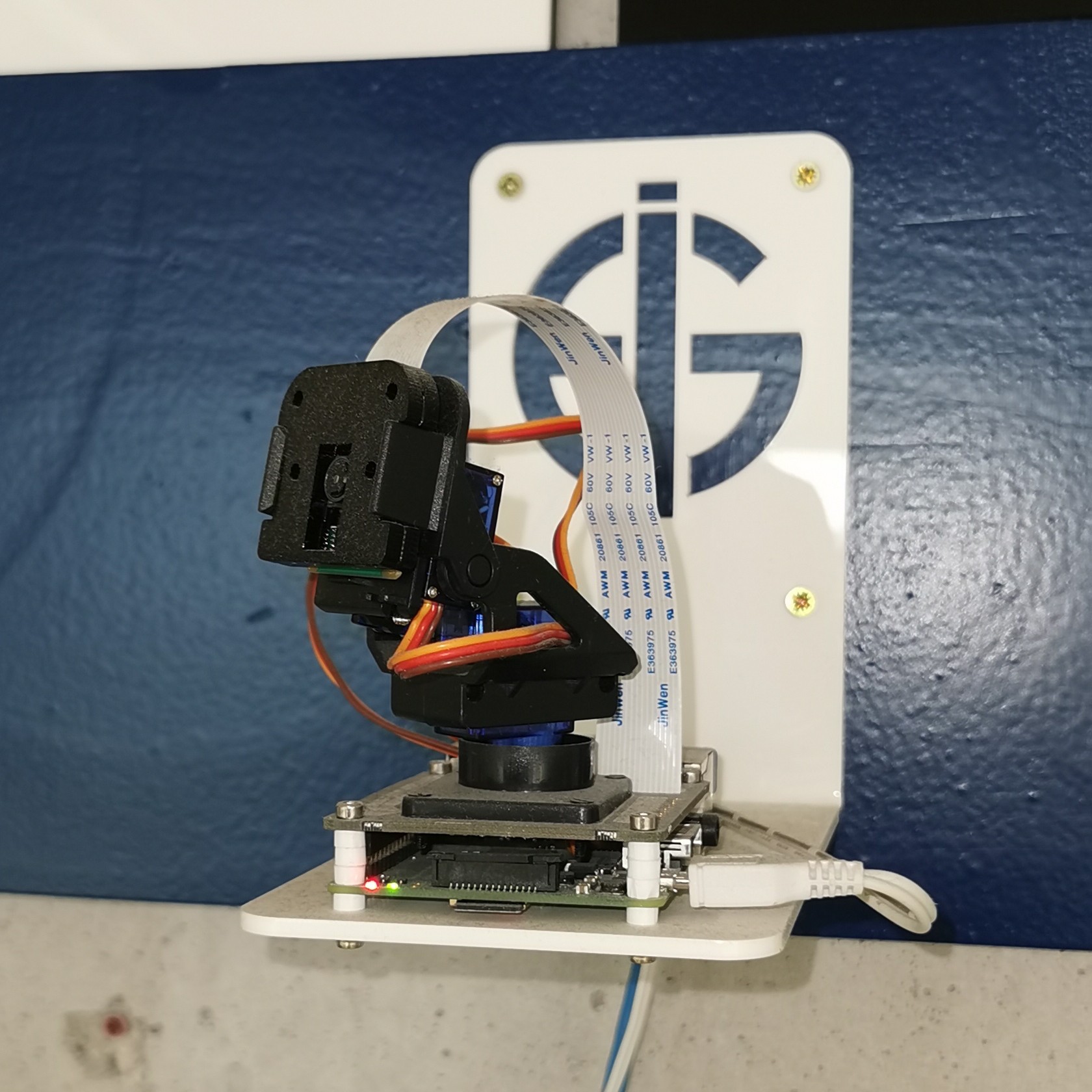
Servo Camera Lab — Personal Project
A camera control system using servo motors and a Raspberry Pi, illustrating the convergence of mechanics, electronics and programming. Still built around the Raspberry Pi, it allows students to explore servo motor control and understand Python programming logic in a hands-on, visual way. Another unparalleled pedagogical window — watching a camera pivot in response to your own code is an experience that stays with you.
Complete Activity Log
228 activities logged over 3 years. Filter by beneficiary type or activity nature.
| Date | Activity | Type | Beneficiary |
|---|
Laurent Moreau
Design Teacher — International School of Geneva / Campus des Nations
Fab-Nat Leader since 2023.